Show notes
When Evil Disco Becomes a Genre
Hosts: Neil & Chris
Duration: ~96 minutes
Release: 28 December 2025
Episode Description
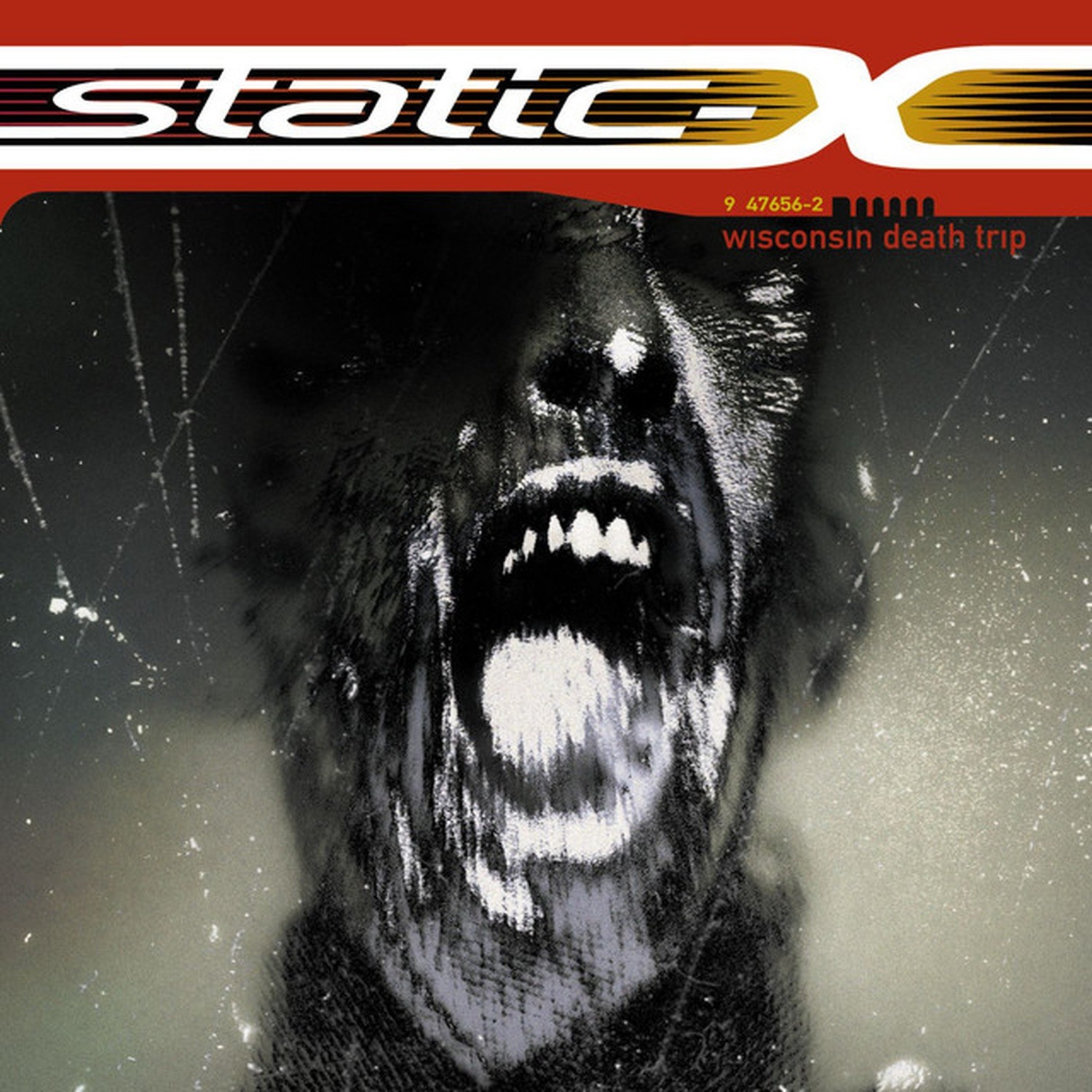
Static-X's 1999 debut Wisconsin Death Trip marked a pivotal moment in industrial metal, blending crushing riffs with techno grooves to create what Wayne Static called "evil disco." Neil dives deep into his personal connection with this record, recounting a hilarious tale of getting a server rack wedged in a bank lift while this album blasted in the background during his IT days.
The album emerged from a band still finding their sound, influenced by Prong and Fear Factory but carving out something distinctly their own. Warner Brothers' gamble on signing a heavy band in 1999 paid off, with Wisconsin Death Trip eventually going platinum despite the music industry's struggles with piracy and the Napster era.
What You'll Hear:
- How Billy Corgan of Smashing Pumpkins helped form Static-X and nearly joined the band
- The innovative DIY piezoelectric drum trigger system Koichi Fukuda built for recording
- Why the band wanted "Wisconsin Death Trip" as their name but the label said it was too long
- The album's origins from a creepy 1973 book about 1890s rural Wisconsin deaths
- How producer Ulrich Wilde stepped in when they couldn't afford Terry Date
- The recent reimagined vinyl release featuring never-before-seen studio footage of Wayne
Featured Tracks & Analysis:
Push It dominated rock clubs of the era, while Love Dump showcases the band's signature ability to shift from staccato Prong-style riffs into hypnotic rhythmic grooves. The closing track December, written during Wayne's time in Deep Blue Dream with Billy Corgan, feels distinctly different from the rest of the album. The hosts discuss how the album is full of hidden movie samples, from Planet of the Apes to the 1989 film Begotten.
Tangential Gold:
- Neil's catastrophic server rack incident involving a bank lift, hung-over IT workers, and Paradise Lost on repeat
- A spirited debate about AI creating rocket engines versus writing ballads
- The Justin Hawkins vs Youngblood feud and why they should just do a song together
- Chris's decorating playlist and why Static-X is perfect for mindful painting
- The wild west days of 90s IT before change management forms existed
Why This Matters:
Wisconsin Death Trip arrived at a creative peak for rock music, when bands were genuinely innovating rather than being derivative. The hosts explore how this album, recorded in just four weeks, influenced an entire generation and soundtracked countless video games from Duke Nukem to Brutal Legend. It's a reminder of what happens when musicians experiment without boundaries.
Perfect for: Industrial metal fans, anyone nostalgic for late-90s rock clubs, IT workers with war stories, and listeners who appreciate albums that still sound fresh 25 years later.
You can find us here:
- Blog: https://riffology.co
- All Episodes: https://podkit.riffology.co/podcast
- iHeart: https://www.iheart.com/podcast/1323-riffology-iconic-rock-alb-176865775
- Apple: https://podcasts.apple.com/gb/podcast/riffology-iconic-rock-albums-podcast/id1691556696
- Spotify: https://open.spotify.com/show/1LIU9mein7QMw346q20nyy
- X: https://x.com/RiffologyPod
- Bluesky: https://bsky.app/profile/riffology.co
- Facebook: https://www.facebook.com/riffology
- Email: info@riffology.co
Transcript
Show transcriptHide transcript924 passages · 2 speakers
No passages match your search.
Saphology.
Hua. Back.
We're back.
It's been two weeks.
It's been. I was very poorly.
You want to tell everybody what was wrong with you?
I still not right. Actually.
Was it like full on man flu or was it.
No, it was, it was everywhere. Everything achy.
I don't like it when that happens.
Yeah. All tired and then. And then chesty. Chesty cough, like. And the chesty cough is still here.
Do you know what I don't like about that? Right. If you. I've had some really serious medical conditions.
Yeah.
That didn't hurt very much.
Yeah. Yeah.
And everybody like runs around after you and they're like, oh, you know, are you all right?
You know. Yeah.
But like sometimes I've had the flu and colds.
Yeah.
That like put me on my back. No one cares. No, they're just like, oh, just. Just go over it. Just don't.
Yeah, yeah.
Stop feeling.
This was worse than that near death thing.
It's nuts, isn't it? Yeah, it's crazy. It's like, you know, I've done. I mean, I've broken my ankle. I've broken a lot of things over the years. I knocked myself out in a race and. No, no, when you do that, everyone's like, oh, God. You know, and you. Honestly, I think I'm. I'm all right.
I'm all right. Yeah.
I had to hop a little bit when I broke my ankle.
Yeah.
That was very painful for like 10 minutes.
Yeah.
It swelled up and went black. And I was too. I was too manly. Read that as immature to go to the doctor.
It's all it was.
So I didn't go to the doctor. I just literally hopped on it for about a week and a half and it was broke and then got to a point where I was just like, actually think I might need some help to then turn up. You know when you get the nurse eye roll.
Yeah.
You know, you get the.
Yeah.
The is wrong with you? Why did you like, what. What have you been doing? And I was like, oh, hopping. Yeah, mostly.
Yeah.
And then she was like. She's like. And then they bring the X ray things out and they're like, you're just an absolute dickhead. She said, how did you get here? And I'm like, I drove. You're not driving home. I like that.
Yeah.
Anyway, that's very. That's a very manly, immature, but I don't think my generation's ever going to grow up.
No. No. But I've, I've, I've been I don't know. Are we the same generation?
We're just on the. You're millennial. Millennial.
Right.
We. And I remember I was saying this to a friend at work ages ago, that we used to take the piss out millennials. Yeah. Because, like, they were, like, young.
Yeah. Yeah.
And now we're like. We're taking the. You know what I mean? It's like we're all growing old and got backached together. So it's kind of like we're all together now.
Yeah.
Like millen. Millennials. I'm. I'm Zed.
Yeah.
And you're millennials, is what it is. Yeah. But only just. I think we're kind of. Yeah, because. Yeah, but we're about 10 years apart. I think we just span over the.
I. I definitely don't do as I'm told when it comes to medical things.
No, that's like.
That's definitely. How did today where it's like, why don't you cancel, like, what you're doing today and then go to the walking center? I'm like, no, no, I shall.
I'll have a. I'll have Diet Coke and I'll be fine.
We've got our red fruit pastels and black fruit pastels.
We have the correct fruit pastels. We have the correct diker.
You.
You've absolutely Bongo Cokes as well. Hidden.
Ready for next time.
Hidden. So for those that are new to this episode, we do this in a studio where there are musical instruments and no one ever plays the bongos in here. So we hide our tins of Coca Cola under the bongos.
Yeah.
And it's so cold in here. It's like they've been in a fridge, isn't it? So it's really nice, which is unusual for a studio. Normally. Studios smell of boys and sweat.
Yes. Yeah.
And this one is just like a. I don't know.
It's a fridge. This is a fridge.
It is. It's so cold in here. Yeah. So how was Christmas for you? It's after Christmas.
Yeah. We just had Christmas, didn't we? So we are. What are we now? Boxing Day. Boxing Day. We're like, the day after Boxing. Are we now?
I'm looking at my pads. 27th of December.
Yeah. So that's the day after. That's like.
Yeah. Boxing Day's 26th. So this is the day after everyone. This is kind of where reality comes back a little bit. You're still a little bit in the.
But no one knows what day it is.
Yeah. Don't know what day it is. Don't know what to do. But you're starting to kind of think, oh yeah. Do you know what I mean? It's creeping back in a little bit that you. Christmas is over.
Yeah, yeah, yeah, it was good. I wasn't very well, so.
No. Did you get any nice presents?
I don't really get any presents. Really. Not so much.
You don't buy yourself press.
Yes, I do. Yeah. Yeah, yeah, that's on its way.
Oh, you bought a watch, didn't you?
Yeah.
After we faffed around online last time. That's quite good.
Yeah. Sorry to hear that then.
Yeah. You're proper cough. A proper smoker's cough. My neighbor's got one of those.
Yeah.
You know, in. In the morning in the spring, like I'll get up early, the kids or will go kick them out to school and that and then I'll often. If it's sunny, like in May.
Yeah.
I'll sit in the garden and I'll do my emails, like my kind of just going. Answering the overnight emails and stuff. I often do that with a cup of tea in the garden.
Yeah.
My neighbor who lives out the back, she's got a proper dot cotton smokers coffee.
Yeah.
And she's like properly, like just. I don't know, just kind of. I think one of these days she's just going to do that and then I'm going to have to call an ambulance.
Yeah, yeah, yeah. I've been singing today twice.
I can't believe you can do that. I like when I'm sick, I'm. I like. I can't. I mean I still go and do stuff but I don't think I could sing.
Yeah. I'm after a day off though.
Do you sing sad songs?
Yes, I do. I do when I'm poorly. Yeah, I do. I go for the sad ones.
Yeah.
Yeah, that's very true.
Can't sing happy songs when you're feeling very well.
No. And the other thing is, is the range as well. I can't go very high. It's not like a normal. So I have to do like lower songs.
Can't do the Darkness.
No, can't do the Darkness. They're quite high songs anyway. You to hear Matt Peach do the Darkness. He's very good at that.
Is he?
Yeah, yeah, he does that very well.
Who's just. Justin Hawkins is having a fight with somebody. Who's he? He's. Oh, young blood. Yeah. Just grow up.
Yeah.
Both of you.
Yeah.
Just stop being.
Yeah.
I don't get it? I like your blood cuddle. I like Young Blood and I like Justin and I just think you're both good.
Just have a cuddle. Just think they should do a song together. Do a song together and then it'll be fine.
Stop. Yeah. Stop with it. Stop picking. I. I get that that Young Blood's easy to pick on.
Yeah.
Right. He's like a puppy dog.
Yeah.
But like genuinely, this, this current generation that are growing up now, that are teenagers now, they will be losing their shit to Youngblood songs all the way over Christmas this year. This will be like big. If you, if you've got kids that are like 14, 13, 14, 15 and they're into rock, the Youngblood will be part of what they're listening to. Yeah. And honestly, that will be stuff in 25 years time when they've got a podcast.
Yeah.
Delby, coming back to that Idols record.
Yeah.
You know, with like we whinge about. I whinge about compressors and loudness and click tracks and all of that stuff because I don't like it. Nearly all my favorite records were recorded with it. But. But I think this, this whole obsession with Auto Tune on his show.
Yeah.
And on his albums. I just have this feeling that in like 20 years time it's just going to be like so prevalent.
Yeah.
You know, I think. Because AI is going to be everywhere, isn't it? So the fact that somebody actually turned up in the studio and did it.
Yeah, yeah, yeah, yeah.
You know. Anyway, stop fighting stupid this week. Oh, we're Riffology.
Riffology. Eight minute. Eight minutes.
I forgot quite often I forget that we're recording. So we're apology.
Yeah.
I'm Neil.
I'm Chris.
And we are doing Wisconsin Death Trip.
Which is one of the best album titles ever, I think.
Really cool. It's a great album from a movie, isn't it? B. Yeah, it's from a movie. Movie.
Right.
I should have known this more. But it's. Yeah, I think it's from a. Like a B movie. B movie in the 50s.
Yeah.
And that's where it came from.
I.
There's something about this record. I remember first hearing this record. I remember being at work. We'd gone in to do some weekend work. In fact. There's a funny. I don't know whether I've ever shared this story before, but there's a. There's a funny story that goes along with this. So we'd gone in to do this work at the weekend and this you have to bear in mind this was kind of. This was 1999. Yeah. Yeah. So, like, I started in it in the early 90s. It was getting a bit grown up by this point. So when I started, it was chaos. It was like the wild west. We did what we wanted. We all thought we ruled the world and. And, you know, but then by the time you got here, I was working for a bank and there was this realization that these like, IT kids could. Could. They've got so much control over how everything works.
Yeah, yeah.
Do you know, I mean, there's too much power in their hand. So they were bringing in like, change management, product managers and program managers and project. And we had all of these managers around us that.
Forms.
They brought in all forms and everything. Needed something. But anyway, we got to go in and essentially clean up some of the stupid stuff we'd done.
Yeah.
Years before. So we'd built. I'd built the mail platform and all of the servers were in these big data centers, massive data centers. And it was the size of a football field. And it had like, you know, thousand or thirty odd, one thousand people. And when we would. When we were setting it up, initially, I built one of the servers in our closet. So we had a rack of servers in our closet. And because it was near to me, that's where I did the testing.
Yeah.
And I forgot to take it out of the cycle. So when people were joining, like 1 in 10 mailboxes got added to this mail server that was literally running in a closet. There was like cleaning stuff in there. It was like a rack in a closet. So anyway, we'd gone in there to move all this stuff, and my friend took this record in and I'd taken Paradise Lost.
Okay.
And we had. Essentially, we had like a. What would be a ghetto blaster.
Yeah.
And we. Because there was a lot of faffing about. So we went in there, put that on, and we just had these things on repeat. So we had this record and we had Paradise Lost on repeat for. For the day while we were. We were working there. We were all really hungover because we'd been out the before. And I had this really great idea while we'd got. So you have to bear in mind this is a bank. Shiny marble floors, all of the, you know, shiny lifts, everything. It was really, you know, big glass and steel, you know. And we were on the third floor and we got to get this server, which would have been quite heavy. This would have been like 40kg. They were quite heavy. They're not so heavy these days. But Back then it was big, heavy thing and we were like, oh, there's a lot of cables to like undo and just feels a lot of hard work. So we decided it would be much easier if we just took the entire rack because we shouldn't have had the rack there. So we thought what we'll do is we'll like unhook the umbilical from the back wheel the rack across the car park to the next building and then we'll just take it in the data center and it'll be fine. No one'll mind. That's what we'll do. So we did all that. We unhooked. We got our ghetto blaster raging in the background. Our push, it's running and you know, it's all great. We're all really pleased with it ourselves. We, we this rack back and it's quite a heavy bit of kit. So there's three of us and we, we wheel it across into the, into the, the lift. And as we go in, obviously I'm. It's at an angle and, and I stand it up.
Yeah.
And as I try and stand it up, it wedges.
Oh. Oh no.
So it's not. The, the lift wasn't tall enough. So it literally got wedged between the floor and the, the roof of the lift.
Yeah.
And then we've got security, we've got our ghetto blaster, static X in the background. We've got, we're all hungover. We've got this rack which is now stuck in the lift and the glass lift is going up and down and we can't stop it. And it was just, you know, honestly, it was horrific. It was absolutely awful. We had to go and get like a special man to come and unscrew the lift and send it down to the bottom. And then our boss turned up and it was just like, what are you doing? It was brilliant. Absolutely brilliant. And it went, it went downhill after that, I think.
Yeah.
That was like the, the peak, the pinnacle, the, the pinnacle of it before we had like. It was before the grown ups got involved. Yeah, yeah, yeah. It was a good laugh.
But then did, did it resolve itself, the situation?
Well, eventually it took a lot of, a lot of happening. A man with many spanners arrived and he unbolted the lift.
Yeah.
And then, and then we, we removed our rack from it. It had marble tiles on the floor of the lift.
Yeah.
And there was like. I mean I was there for seven years.
Yeah.
And for at least five years afterwards.
Yeah.
There were these two scrape lift. The ceiling Was all right. That was all right. These tiles that lifted up, we just wedged against the frame.
Yeah.
And then the. The lift man was very unhappy.
Yeah.
He was just. He just kept talking about weight and overloading and.
Yeah.
Someone could have died and all of these things.
Yeah.
You know, we were just. Would you just. You know, we didn't know anything about that. And he's like, well, look, there's a limit to how. How much weight you can put in a lift.
Yeah.
I. And we'd. Apparently we've gone along.
Yeah.
Exceeded that way a long way over that.
Yeah.
So he was very unhappy.
Yeah, about that.
Yeah. But then we had. After that, it was great because we had change managers. Yeah. He would ask questions like what? You know they have a clipboard. Yeah. A lot of that, a lot of forms. A lot of what. What are you going to do if it goes wrong?
Yeah.
And have you done a risk assessment?
Yeah, yeah.
And a lot of that. Which. Which fixed everything because we just stopped doing everything. You would just be like, oh, that feel really hard. Yeah.
Let's just not bother.
Let's just wait.
Yeah.
Because we. This was being proactive, like getting the. Getting the computers wedged in the lift. Yeah, we were being proactive just in case something happened.
Yeah, yeah.
In that closet where it was.
Yeah.
So what happened to it after that was we all just went, well, let's just wait until it does go wrong.
Yeah.
And then we don't need change management anymore. We can do something called retroactive.
Yeah.
Change management.
What should you have done?
Yeah, yeah. You just kind of go, well, it broke, so we moved it and now it's all right. So it's a lot of that, but lovely, really good times, you know, I mean, brilliant times. There was. There was like. It's like a handful of like three or four of us that really, really loved, like, metal. And we're really into this scene and kind of the Ministry and Static X.
But it was that. It was that time of change, wasn't it? Like that 1999 thing was, you know, you said you had a ghetto blaster.
Yeah.
You wouldn't have go blasters long after that, you know, Wouldn't have been a thing.
No, no, no, you wouldn't.
I remember when I started teaching in sort of 2008.
Yeah.
And ghetto blasters were well on their way out by then.
Yeah. Yeah. Well, this was a proper full on black Panasonic.
Yeah. Yeah.
You know, I mean, it was. It was good. Yeah, it was a really good bit of kit.
Yeah.
Played MP3s.
Yeah.
So we. We'd got us. We. We'd spent the first hour ripping the CD. Ripping the CDs that we'd got out of our cars to MP3.
Yeah.
And then writing them back to the CD. Yeah. That we could plug into Adam's ghetto blaster.
Yeah, yeah. So. So you could play both. You could play both albums back to back without needing to.
Yeah, yeah, yeah, yeah. Exactly. Exactly. Exactly. You could do all of that stuff. We did prong cleansing last week.
Yeah, yeah.
And I think there is a real lineage here between that and this.
Okay.
There are various bits in here where I think that could be a prong riff. You could. Yes. You could take that. And that could be a problem. They do it. The production is different. I think it's less. I think it's not as. It's cleaner here. I think the drum sound is particularly.
Great sound. Yeah.
Particularly cool.
I think so. Because I can hear the lineage between things like Fear Factory in this.
Yes. Yeah.
Because they were. They were a bit earlier, weren't they?
Yeah, they were bigger, weren't they? They fractured, were massive. And then you had all these bands that kind of followed on.
Yeah. And this was because a load of them went down this sort of hip, hoppy kind of.
Yeah.
New metal, kind of rappy kind of route. But then there was this. This sort of gang that went off more in the sort of techno and be route.
Because Static X went out on tour with Fear Factory.
Yeah.
And that was like a renowned tour. That was a big old beast. Because you had the same, you know, the. The fans of Fear Factory and fans of Static X were really. You know, there's a massive overlap. So.
Yeah.
Yeah. You had kids that were just like, it's the best gig ever. You know. But, I mean, they toured with everybody. They. They went out and toured with Slayer. They went.
Yeah. Reading on our blog, it talks about the old. The old festive.
Yeah, they were. They. They did. They worked really hard, famously. Wayne. Wayne. Static didn't have a house.
Yeah.
So he kind of sold up.
Yeah.
They recorded the record. He'd gone out on tour and didn't have anywhere to live. So he's literally on tour for the. For the year. And then they would just finish that tour and then. And then he would live. They were living in a rehearsal, or he was living in a rehearsal space, essentially, but was never, you know, never there. They would finish a tour, come back for three days.
Yeah.
And then off the go. And then. Yeah. The management would be like, oh, A Slayer touring or. Yes. Oring do you want to go? And they would just shoot off and, and, and dive on the back of that. So. Yeah, yeah, yeah. Really hard working band, I think. Yeah. You know, and, and did you do. The other fun thing about this record, I think is like how quick it happened.
Yeah, yeah.
From nowhere, you know, living out the back of a truck almost. And then within like 18 months they went. They kind of got signed. They were on. Warner Brothers got signed to a big label.
Yeah.
When the big labels weren't signing metal bands. No, it was kind of a little bit gone, you know what I mean? You had kind of the.
The subsidiaries were doing it, weren't they?
Yeah, but you'd had. You like. If you follow the 90s through, you'd had that early part of the 90s where kind of the hair metal thing was just, just, Just kind of dying out.
Yeah, yeah.
Then you had kind of grunge, then you had the kind of alt rock.
Yeah.
Stuff. The kind of the Pearl Jams and all of that stuff. And then you kind of had what would be new metal. But metal started to change. But it was, if you think about that, a bit in the. In the beginning and middle part of the 90s, it wasn't metal. It was. It was heavy rock. It was heavy radio rock, really. And then this stuff came through, the new metal stuff came through and corn and all of that stuff came through and it was much heavier. It was, you know, and so to have like a major label sign, something with big, thick, heavy riffs. Yeah.
Basically on the techno end and not that hip hop y end.
Yeah, yeah, yeah, yeah, yeah. It was, it was, it was. I think it was interesting. It's an interesting gambler. I think Static X were. They were the first one that Warner Brothers had signed back again. So. Yeah, it was a little bit.
You see, I was. I was well out of this loop at this point because I was. I was just in Pumpkin Land about this time. I was. Honestly, it was about this time where I just went. I went. I'd gone through like a. A big kind of British indie rock thing and then hit kind of the Counting Crows stuff and then just discovered the Pumpkins and didn't listen to anything else, I don't think.
Well, yeah, so.
And post rock and Cigar Ross and all those sort of things were starting to come through I think at that point as well. So this kind of industrial stuff that was going on, it really wasn't my palace at all.
The bit that is interesting though is Billy Corgan off of the Pumpkin.
Yeah. Was responsible for this band pretty much, kind of.
Yeah. But did you know he played with Wayne Static and they had a. A band called Deep Blue Dream in the late 80s and Billy played in that band.
Right.
And then eventually Billy introduced the drummer, Ken J and Wayne the record store where Ken worked. So Billy knew Ken and introduced them all together. So.
Yeah.
Yeah, Billy was kind of quite instrumental in the form. Yeah.
Formation.
Involved. Yeah, yeah, involved in it. I mean it'. It's. Yeah, it's cool.
The matchmaker.
It's interesting though, isn't it, how, you know the. I mean, you've said this before, but it's just mates making music.
Yeah.
And there's a. There's a lovely bit that I read about the making of this record and a bit about the history and it was like the band kind of formed and they all got on with each other, but they didn't have a sound which is like you imagine when these bands get together. That's. You know what I mean? It's like, you know, Metallica get together and it's just. It's just Metallica.
Yeah. Yeah.
You know, and. And like, I don't know, like the Pumpkins or the Pumpkins get together and just the Pumpkins appears. Pumpkins comes out of the. Out of the speakers. Right. It's interesting for me, this one because they all got together and they were like. They were playing thrash, they were playing really heavy music. They were playing, you know, kind of more.
More.
More rhythm based stuff and then not really finding their feet.
Yeah.
You know, and then. And then as they were practicing more and playing more covers and doing some more stuff, they started to lean towards this industrial techno kind of sound.
Yeah, yeah.
And it was like, it started to make sense for them that they were like. Actually this is, you know, this is where. And it took, I think it took a few records for them to get there. But by the time we got Wisconsin Death Trip, because they did some stuff before it. But by the time this album was recorded, it. It feels like fully formed. Yeah, but it misses the fact that there was a bunch of stuff happening before that. Literature, live shows, a bunch of things that they were doing just to find themselves. But it's rare you. It's rare you find bands that are so transparent about that journey.
Yeah.
When they're just like, we sort of.
Didn'T know who we were for a bit.
It didn't start like this. This is not where it began. And we weren't copying somebody and we weren't you know, it was. Was trying to figure out what kind of band made sense, what kind of music made sense for us.
Which is interesting because I. When. Because I've been listening to this record this week.
And in between Dying.
In between Dying. Yeah. And then looked on the blog and it said debut. And I was like, it doesn't sound like a debut.
It doesn't, does it?
It does. It sounds like a pretty well honed, well produced third album job. This feels like a third album.
It's well produced. Produced. It's. I've been. I've been doing some decorating over the past couple of weeks.
You always. That's all you do.
Oh, honestly, I'm trying to do. I'm trying to do upstairs. The kids have made. You don't have children. If you. If you want like anything to last. Don't have children. They destroy everything. Yeah. I'm trying to just go to repair loads of, like, just mess, really. Upstairs. Anyway, I really like decorating because it's quite. I find it quite mindful. I kind of. I don't like the term mindfulness, but I find it quite like. I don't have to. I don't have to analyze what I'm doing. I can just be in the moment and focus on the painting or the sanding or the. Whatever I'm doing. I can focus on that one thing. And I really enjoy that. And I like music that is like. I like Pink Floyd, I like suicidal. I like kind of music like this. Normally. It's kind of quite. Don't know how to describe it, really. Like doing some bits of decorating. Like, if I'm glossing, I like Pink Floyd. Yeah.
Yeah.
If I'm like sanding or roller in, like a little bit of suicidal tendencies. But one of the things that's hit me with this, I was listening to this album the same as you this week. This is quite hypnotic and I loved it. It's got this kind of thing where you, like, before you know it, you're. You're just engaged. Yeah. In the album. And it's just. It's almost like being like a conveyor belt.
Yeah.
Kind of flow. There's a lot of hooked into it and then you're being taken through. And it's such a cool record for that.
That's a really good way of putting it, actually. The bit where I got to. That was love Dump.
Yeah. I love the bit in Loved One where it kind of starts off. It's got this kind of. It's riffy, it's Prong riffy. Right. It's just. Just full on, like staccato riffy. You know, it could be straight up a prong record. And then you're like a third of the way in, and then it just changes like the. And it's like you're suddenly in this, like, rhythmic melody and it's. I think static X do that so well.
Yeah.
Where it's just. It gets into this, like, this groove and it's kind of, you know, it's like this proper kind of groove where it's. It's just repetitious, like techno music, like dance music, kind of in this proper groove and then it will just like burst out of it. And I just. Yeah, I think they're so. All the way through their catalog, they do that.
So there's a thing about the. The east coast, isn't it, where there was a few. Like, they were really exploring this stuff at this time, weren't they? So these were all Chicago.
Yeah, I think.
And then there's the New York thing.
Yeah.
So prong were New York, New York. And so Rob was. Rob Zombie.
And prong was earlier, though. Prong was kind of earlier in the. In the. In the time zone, really. I think prong did influence this massively.
Yeah. I think. Yeah.
You know, but the.
The point I'm trying to get at is like, Seattle had a sound.
Yeah.
The west coast had a sound.
Yeah.
And it feels like this might be this kind of more industrial style sound.
Might be a little bit more of the kind of East Coast. Yeah. Yeah. I'm with you. Yeah. I mean, this is kind of mid. Mid America. Was it like where these guys were? But, yeah, it was definitely that side.
Yeah.
East coast side. It was, but harder. And. And, yeah, maybe that's where the producers were as well.
Yeah. Yeah. There's a lot of that, isn't there? Because it was Grandmaster Studios.
Yeah. Because this is done in Hollywood, wasn't it?
Yeah.
Recorded in 98.
Yeah. But the interesting one, there's a doc. An interview that we put on because they were after Terry Day, because they wanted the prong sound.
Yeah.
So that. So you're right, they were after the prong thing.
Yeah.
But instead they. They landed on somebody else who was actually the engineer.
Actually, about a month after, after we put our names to paper that we were in the studio, we kind of. We made this wish list, this producer wish list, and decided that we wanted Terry Date because he had done all the Pantera stuff and prong, and we really like what he did. And then we found out that he's not available.
So we went with Ulrich, who was.
His assistant and all that stuff. When I first heard their demo, I got the first chorus and I was ready to do the right. You know, surprisingly, the whole thing all the way through was actually almost so good that I was a little worried that I wasn't able to improve on it. But I did. Ken really, really great drummer. We did live overdubs of cymbals. So Ken was lucky enough to play the record twice. Koichi, he's a crazy man, really. His brain, I think operates differently from the rest of us. I hear something like this in there. A day later or an hour later he'll come back with something that's totally amazing. Wayne really great because, you know, he plays it twice and it's pretty much doubled a couple of little punch ins here and there and you know, he's ready to go. Same thing with vocals, very proficient. He just nailed Tony. A lot of groove in that, man. He actually does a lot for the band. He really holds things together down in the low end, you know, just glue. He's definitely the glue. We went out and just cut the record in four weeks. Just knocked the whole thing out. Go in, nail it, leave. Because there's not much second guessing going on and there are imperfections of it. It sounds like a real record as opposed to something that could have been picked to death, but happens too often nowadays. Best two month vacation I ever had. And then when we got done, I went back to work. Ulrich Wilde Yeah, I, I, there's a lot of clever things here. Like they use drum triggers. So I was reading an article about how they did the drums and they wanted like a, a, like a perfect drum sound. They wanted this like really powerful drum sound. But they didn't want to program it. They didn't want to use like a program which prong, prong had always done a mixture that there's bits of real drums and bits of programming in, in prong and, and they didn't want that for this album. So they built together as like a band. They built this wooden drum rig with microphones set up. So, and then, and then Ken J, who was a drummer would play the drum parts on this like wooden rig. So not a drum kit, this kind of like weird wooden rig. And then they used those as triggers to play back these kind of samples, recorded samples that they'd taken elsewhere. So you ended up with this like uber clean, you know, massive drum sound. Like really like a digital drum sound almost. But without it being programmed. So it was kind of. So it was this like played drum sound. Yeah, yeah. So it was played from a timing perspective and feel perspective and not programmed. But you ended up with the sound of like a program, I was gonna.
Say, which is probably where this more techno Y kind of industrial.
Yeah.
Comes from.
Yeah. I think.
Because obviously they're all going to be. If I'm getting the idea right, that they're sampling single hits, they're probably not. They're probably not going to go for like MIDI and velocity, you know. So. Yeah, the way MIDI works is you've got a velocity value of up to 127.
Yeah.
So it's 128 values effectively 0 of.
How hard you hit it.
Yeah. So the higher the number.
Yeah.
The harder.
I don't think that was done or. I think this was all just like. Yeah, I think that's all it was based on, but like really rudimentary. And then fed into the software that it wasn't Pro Tools. I forget what it was. It's in the blog somewhere. There's no chance of me being able to find. I've forgotten my glasses. Yeah, but, yeah, they used. It was some. I've forgotten the name of the. I'm looking to see if I can see it quickly, but I can't. Yeah, they use it like. I'd not heard of it before, the software they used. Yeah, but, yeah, and then. But essentially they were like, hang on a minute. We could look at what we can do. We can. We can take that microphone, feed the spike.
Yeah.
Into our, you know, our workstation and then use that to trigger this, you know, this. The drum sound that we want and then we can change it. And I like. It's 99, I think. I don't know whether that was like a common thing.
It wouldn't have been. I mean, I mean now it's quite common because you put their, you know, their velocity as well. So you'd have a, A trigger kit and you use your slate triggers or your whatever easy drummer or whatever it. Whatever it is you use. And. And yeah, that. That's quite, quite normal now. But the main reason for that and the main reason that I would assume they'd have done that is so they could get the separation between the drums and the cymbals.
Oh, yeah.
So they can mix it and they can get, you know, a really nice tight drum sound that isn't saturated by bleed with other things because you. You'll have no bleed on that. So you can, you can Mix the tom. Like it's a tom. You can mix it.
Yeah. So there's no. There's no bleed through at all, is there? No, I quite. You know, there's a few albums that have got. Especially for the snare.
Yes. Yeah.
You know, when you can hear, you can like in. In the. In the bleed. If you've got headphones on, you can hear the bleeder of the snare, you know, the chain rattling underneath the drums and. And like modern. Modern recording engineers would whip that out in a heartbeat.
I really like the humanity.
Something lovely this. Like it is in. So we talked about Rolling Stones records in some of the early mono recordings. You can hear people walking around the studio. Like if you put headphones on and turn them up pretty loud. Yeah, you can hear people. Well, you know, they're just like. They'll be sitting down and, you know, and to play. And it's not done live. It's done. It's done tracked still. But in between, as the song's playing the quiet parts, like you. There are people moving you, people doing stuff in the studio and it's. I don't know, something. I think there's something really nice about that.
Yeah, I do something quite. And I think as we. I mean, you've alluded to this already, but as we get more into the realms of AI creating music and technology, you know, auto tune and everything and all that, I think there's going to be a resurgence of really raw records that are just put a mic in a room and capture something.
You know, I had an online debate with somebody this week and I have to say I didn't start off by taking the position that I took, but I just. I kind of created the position as I was reading it. Right. But somebody was. And it was because I saw. I read two things really not far apart. So the first thing that I read was somebody whinging about AI slop and just about the. The general like downgrade of humanity. Right. Humans can't think properly anymore. We're all stupid. We believe everything it tells us and we forget how to write and it's just this like. Like the amount of words generated is higher and they're all crap. Right. That was kind of the. The thing from it it. And I kind of thought. Yeah, I kind of. I think. I kind of agree with that. I think that's what. That's certainly what I'm seeing in the real world.
Yeah. Yeah.
You're not everybody. And some people, you are using it to change the world. Right. But you Know, for the vast majority, it's. It's not making things any better. And then I read this other article, so. So in that case, like if somebody said, for example, I've just written a. No, I've just used AI to write a novel, you'd think that was crap.
Yeah.
I've just used AI to write an album. It's crap.
Yeah.
I've just used AI to create some album art. It's crap.
Yeah.
I've, you know, insert anything here. Right. I've just used AI to create, you know, a piece of artwork. It's crap. Right. And once you put AI involved in it, it's rubbish. And then the next thing that I read was about this company making rocket engines. 3D printed rocket engines. They have used AI to create organic designed rocket engines. And they look organic. So they don't look like, you know, like we would design things with geometric shapes.
Yeah.
This thing isn't. This thing's kind of very flowy and it's got kind of like webs in there and it doesn't look like. Looks a bit alien esque. But on that article, the best thing ever, like, AI designed rocket engines. Brilliant. They're the best thing ever. So, like, you know, AI involved novel. Terrible.
Yeah.
Awful. AI involved music. Terrible.
Yeah.
AI involved rocket engines. The best thing ever.
Yeah.
And I was just like, where, where's the line? Yeah. Why is it good at doing rocket engines and not good at doing.
Yeah.
Like, why can it not write a ballad?
Yeah.
Do you know what I mean? Like, because in the real, I'm like, in the real world, like, like, like designing a rocket engine from scratch. That's quite complicated.
Yeah.
Do you know what I mean? Writing four chords in a ballad, that's not, it's not that. I mean, you know, there's variations to it. Right. But you'd assume a thing that could go into a rocket engine could plug four chords together.
Yeah.
And it just, it kind of blew my mind a little bit. I was just like. I got to the stance where I was like. I'm not sure that we're, you know, judging this. Well, do you know what I mean?
Yeah, yeah.
Like what? Like if it's so bad, all these other things, surely the rocket engines.
Yeah.
I don't.
But it's about function, isn't it? It's been used there for a function, a magic. Yeah.
It looks, it looks it. I tell you what, it does look magic. It's like. Yeah. This thing, it's like, it does. It looks like if someone, if Someone showed at you and said, this has fallen off an alien ship.
Yeah.
Like, you know, half of the Internet would go, oh, yeah, totally. Yeah.
Yeah.
I mean, there wouldn't be a lot of pushback. It looks apparent. Bit weird, but I, I don't know, I don't think we're in a good position. I don't think we, I, I, it doesn't feel to me like we are adapting all that well.
No.
As a civilization to AI yet. You know, which is, I mean, it's like an industrial revolution, isn't it? It takes time. But it did, it did hit me. I did, I did hit me that there is, like, there are some things where it is like, so cool if you said, I did AI.
Yeah.
I used AI with this and it's.
Like, oh, that's mega.
Yeah, yeah, yeah. And there are other things where if you say if you used AI, it's the worst thing ever.
Like, so, like, doing an app, that's quite cool still, isn't it? I don't know if you use it.
But not in, not in software, in software engineering circles. That's not cool, is it?
Not cool.
Not cool. No. We don't like that. And also, if you genuinely. The models in the last month or so write better code than I can.
Can. Right.
A lot. I mean, I've been doing it for 30 years and it genuinely will write better code. It will write much worse code.
Yes.
And it will write the wrong code.
Yeah.
Yeah. But if you ask it to write.
If you do ask it the right thing.
Yeah. If you ask the right questions, it will do it better. And I think that's where the wheels come off a little bit.
Yeah.
You know, you can't just say, go and make me an app.
Yeah.
Do you know what I mean? You've got to, you've got to go and define the framework first and then you've got to go and do all of the thinking about data structures and how it's going to connect in the back end and the architecture and all of this stuff and you've got to design all of that and then, and then give all of that to the model and then say, write me this little bit.
Yeah.
Then write me this little bit then. And then. And you're checking it's done exactly as you wanted as you go through the different steps and then you end up with a thing that, that works.
Yeah. Maybe that's how they did the rockets.
Maybe they 3D print them as well.
Yeah.
Out of copper.
Yeah.
It just looks well cool.
Yeah.
Maybe I thought that was dead cool. Really, really cool. And you know, I did after that. So I did that and then I was feeling a little bit sad.
Yeah.
And then Geezer Butler is signing a bunch of Black Sabbath records. I bought one of them and then I ate some sweets.
Yeah.
And then I went and watched telly.
Yeah.
So that's the way it is. Yeah. But, yeah, AI is complicated.
Yeah.
Do you know what?
We'll.
I'm going to tie it back a little bit to. To this time because this was 99 Wisconsin death trip. So you're just about in peak Napster season. Well, this was peak CD download. This was like. CDs was. People bought CDs.
Yes.
And the Internet was getting big and people were mp3ing. And so you had this, this storm of like you say Napster and Limewire and all of these other tools that were just set up for sharing music and pirating music. And it didn't like, the music industry didn't like, like, we don't really know how to deal with AI today. Yeah, I don't. The music industry didn't know how to make sense of the Internet and how it was going to do all this stuff. So you had like Lars Orich, you know, threatening to sue every single person on the planet. But basically. And you know, and, but it was. I remember this, this, this period of time and I remember listening to Lars speaking saying, that's my music. You've stolen it. And I was thinking, I. I taped like Master of Puppets and Kill Them all and Ride the Lightning off my mate's record player when, you know, when I was in my teens. Is this any different? I'm not. I mean, the scale is probably different, you know, and I'm sure that the number of records got impacted massively. People, you know, people that are buying CDs because you could. Everyone was just downloading them and playing them in their cars.
Yeah.
Whereas back then we had to buy tapes. One of your mates would have to go and buy the, the thing.
Yeah.
And then you could take, you know, you'd like tape a copy of it. And there was definitely like a, you know, oh, he bought the last one. I better buy it.
Yeah.
You know what I mean? Like with, with our mates, it was like, well, Tony bought like, you know, Ride the Lightning. I better go and buy Master Puppets. And it was. You very much knew. It was kind of like a round that you were, you were in. In. But I kind of. Is it any different at the time? But the impact was catastrophic. No One just like overnight no one brought.
No. Cuz it was the source, wasn't it? Yeah, yeah.
And the, and the quality was so good. Go. Go. God, Go. Go.
I decided I was going to move to California because I was tired of.
The cold weather in Chicago. Moved there and started looking for people to play with and started this band just to have a good time really. I pretty much gave it up on trying to get signed at the time. Just found some cool dudes to play with and tried experimenting with a bunch of different stuff.
And after about a few years we.
Kind of turned into what we are. I was playing in this thrash metal band in Chicago at the time and we had come out to LA to do a record in, in 93, in November of 93. So we made the record and then we drove back to Chicago in a van and we got back to Chicago and It was like 10 degrees and an ice storm and I was like, you know what? This, I'm, I'm out, I'm done with this. So I noticed that work.
I went with my credit card and.
I bought a pickup truck and I took everything I could pack and then I'd pick up truck with the cats in there and drove across the country. And I knew one person in la, so they let me stay at their house for like, you know, a week or whatever so I could find somewhere else to live. Has all this massive credit card debt. I was broke ass, you know, musician, I didn't have any money so I, I, what it is, I got two credit cards, I bought a truck with one and then I lived on the other one for a while. So we've come back after a little break because you had to go for a wee, didn't you?
Let's go for a wee now.
Now while you were weeing, I did some reading and the software that I couldn't remember that they used was called Opcode Vision software.
Never heard of that.
And it's used, they used piezoelectric.
Oh really?
Which I think is really interesting.
Yeah, because that's what they use on transducers for guitars or pickups.
Oh, I thought that was really interesting. And the other thing is, you know, I said it was named after a 50s B movie. Yes, it was named after a 70s book.
Oh no, poorly.
It comes from a 1973 book by Michael Lessi. Wayne Static found this obscure book which chronicles bizarre deaths and disasters in nine in 1890s rural Wisconsin at a flea market. And he was fascinated by it and initially they were going to use it As a band name really.
It'd be a good bad name as well.
Do you know why they didn't call it that? Because the label Warner said it was too long.
It would, it would be all right now, I bet if they called it now.
Yeah.
It'd be absolutely fine. And it sound like Kubla Khan tx. That's what, that's. That's what that band would sound like.
Yeah, yeah, yeah, yeah. Anyway, they're the two facts that I discovered while you were weighing. And now we're back.
Very good.
So we, we were, we were talking about all kinds of stuff when we were talking about that change in the 90s and record labels dealing with. With manic piracy.
Yeah, yeah.
And not knowing how to deal with that. Where's all the money come from?
Yeah.
When you're dealing with that and turns out it comes from selling T shirts.
Yeah.
And gigs.
Yeah.
So the price of gigs has suddenly gone up like ten crazy fold. Yeah. Because everybody pirates music.
Yeah, yeah. Or gives or no, they pay for music but they don't pay the bands. They pay extra. Streaming service.
Well then. Yeah, yeah. Because then you had that like 10 year weirdness where. Where there was this kind of like all at war with where you got your music from and nobody had visited like in, in that early part of the millennium, like 2000 to 2010. No one had physical. You couldn't. It hard to get physical media.
Yeah.
And so, so like everything was kind of like you had itunes and see.
I remember because I worked in music retail for a little while around that kind of early 2000s point.
Yeah.
And I probably left maybe. I don't know when he would have been. I'm not very good at time. Maybe mid 2000. Mid to, to late sort of early 2000. You know like that sort of 2006, 2007 time probably.
Yeah.
And that was the time where music shop started to deal with other stuff.
Oh yeah, yeah, yeah, yeah.
So. So they started to sell phones or they started to sell books.
Yeah, yeah.
Or merch.
Yeah, exactly.
And that I've never put. Weirdly, I've never put like really bizarre. I've never put those two things.
That's what was going on.
Yeah, yeah. So people weren't buying physical media. But the, but the shop still needed to be there so they needed to sell other stuff. Like if you go into HMV now.
Oh, it sells everything.
Crazy. It's like it's bananas really.
Air fryers. No, you can't. Yeah, you're right. There's tons of stuff in there.
Yeah.
But, yeah, it's in interesting times that for me, that, that decade was really weird. It was this kind of the record labels and the industry trying to figure out how to make money. Yeah, yeah. People are like, well, I. I used to get music for free. Why? I'm not paying for it anymore.
Yeah.
And then Spotify, then you had itunes selling. Selling tracks for 79p.
Yeah.
And then you had. Which was great. I mean, I always thought that itunes model worked really well for me. I kind of had my. I had like a.
A.
A library that I could use anywhere I was going, which I always really liked that. But looking back on it, you know, not having the physical. I really like physical media, but it was like really, that. I thought that was really quite cool at the time. And then you had Spotify.
Yeah.
Like, just give us 10 quid and we'll give you. Yeah. You can have any music you want, whenever you want to. Yeah, yeah, yeah.
I remember the point around that conversation where it was around I was quite quick to dump physical media.
Right.
And. And files on hard drives and just have it streaming.
Yeah, yeah.
And not clog all my stuff up with all that stuff. I was really quick to that. And I remember everyone going, what. What are you doing that for? It's like, well, I'll sell everything.
Yeah.
I don't need it now because that, because that's there. And I remember everyone. Everyone was so, so emotionally connected to their physical stuff. Yeah. Like, even their ipods.
Yeah.
You know, they'd be. They'd built a relationship with their ipod and their playlist and that and that thing that they've taken the time to put.
I don't think I was like that. I think I was a bit like you. I kind of moved. I moved fairly quickly.
Yeah. But then we're both quite shiny thing people, aren't we?
Yeah. But it's interesting. But I've. I've. I've very much gone back.
Yeah, yeah.
To that kind of. Of. And it's the emotional connection that I don't get quite as much from. Like, I bought myself a copy of 15 over because I buy my own Christmas presents because my family are all useless and so. But they did signed copy. I saw some signed copies. They were. They were discount, you know, in the earache do discount stuff. So there was like 18 quid or whatever. I'm having that. So 15, which is like one of my favorite records. We're definitely going to cover 15.
Yeah.
From book Cherry. And I thought, you know, I'm Gonna. I'm gonna get that. There's a radical difference between, like, taking that off the shelf.
Yeah.
Putting it on and smashing it on. On Apple Music.
Yeah.
Yeah. And it does not sound. Yeah, it's not that it sounds. I mean, everyone's gonna be screaming at the thing, but. But it's not about the sound of it. It's the. I don't know. There is a thing. There's like a physical thing making a physical noise.
Yeah.
And I feel like an emotional connection to that. And I get a different experience when I listen to music that way. And CDs too. So I've got, you know, I don't know how many. Not that many. Like 50 CDs or whatever. And again, it's like a different experience. It's really weird for me because when CDs were around at the time, that was just how it was. And it wasn't that.
Yeah.
But I wonder if it is that connection back to those things, which is.
Really interesting because my. My sort of era of really connecting with music and finding my own identity. Music. Not just the stuff that I thought that I needed to like because that was the right fashion and that was the stuff that, you know, I dressed like that. So I needed to listen to that band. Really.
Yeah.
The points where I sort of really stepped away from that and got into all kinds of weird and wonderful things. Yeah. Which. Which culminated in a massive CD case.
Yeah. Yeah. Your crazy CD case. Yeah. World music. It's got loads of stuff in there.
It's quite cool. But that was like downloading a million things from Limewire, smashing it on her or. Or borrowing stuff from the library and burning it or, you know, that sort of thing.
Yeah. Yeah.
And there was a whole point in my life probably of a couple of years where I was just stockpiling music.
Yeah.
And collecting it from different places and almost archiving it in my own little thing, both hard drive wise and physical media wise.
Yeah.
And it's interesting that I remember doing the same sort of thing with Limewire and downloading a load of back catalog logs. Not having the same connection to those.
Yeah. The music I've got connections to is like. I can almost think back to. I had, like, at this point, I'd saved up tons of cash and I'd got like a Nakamichi tape drive and I'd got a Marantz CD player. I got this Denon amp. And I can remember. I can remember the sound that that CD player made. That clunky, clinky sound and the Noise that the tape player made and stuff. Now at the time, obviously, they, they. They were new and shiny and I thought they were the best things ever. And now I don't know when. I'm sure there's something about that, you know, when you go and put a CD on and it kind of connects back to that time.
Yeah, absolutely.
But I do have like. There are albums I absolutely love, like recent new albums that I really, really love. And I don't have like that emotional. I have like a. Oh, that's a great record and I go and listen to it, but I don't have the same emotional connection that I would do to say this record or to Prong's Cleansing or, you know, even the Slayer, Raining Blood and those, you know, the kind of. The Metallica back catalog. The kind of, you know, the. But there's a real like quite cool thing I'll go and take, you know, Ride the Lightning off the shelf and put it on. And it's. I don't know. There is. There is very definitely a different connection. Yeah. To, to that. A lot of the time here for me as well was like we were going out, like, we were being clubs and stuff. We're going to rock clubs and stuff things. And this like Static X would be a big part of that Ministry and Pronghouse. Yeah. There would have been. These would have been played like over and over and again. Those memories come flooded back and car. In listening in the car as well. But that would have been cd.
Yeah.
You know, that would have been at this point in time, cdr. For me, this would have been. I'd have the, like. I remember buying Wisconsin Death Trip on cd, copying that cd and that's the one that I'd put in the car. So I was mature enough by that point to realize that I wasn't. I couldn't be trusted with things in. In the car.
Yeah.
So I knew that it was going to live in like the glove box or the boot. You know what I mean? I had my CD changer in the boot.
Yeah.
Yeah. And I knew that it was probably not going to get treated very well, so I had those gold CDRs.
Yeah, yeah, yeah.
But. But yeah, it would have been like you had to make that choice. You only had six.
Yeah.
In your car. And so, you know, you had to go and make those choices about what you.
I was just thinking then about. About mini discs and.
And you know, I love mini dicks. Yeah.
I used to sit and make minisc and. And get the dial and put all the text in and do all that. And I was thinking about it. I've got a bit of a soft spot for that era of my life when I was doing all this stuff.
Yeah.
And I, I reckon if I set, if I like just for the crack set, set it up now to do again. I reckon I'd last about three minutes.
Yeah.
And go. I've just put, I've just put on Apple Music.
It's so boring. Yeah, yeah, there is. I read not that long ago about mini disc and the only reason it failed was because Sony refused to open the licensing.
Yeah.
Yeah. If they, if they'd, if Sony have just gone. Well, yeah, anyone can have it. You can all just use it or made the licensing like pennies. Yeah. Made it dirt cheap, I reckon. Mini Discord. Yeah.
Because they even had it. It was, it was a former mini disc. It was used on PSP games, wasn't it?
Yeah, yeah.
It was a kind of sort of a form of mini disc that.
Yeah. You know what we're talking about games, this and, and there must be other albums that go. I'm sure Prodigy is probably similar.
Yeah.
But it hit me how broad the use of the tracks on this album on Computer Games were. You know, there's a whole bunch of, you know, this is in Duke, Nukem, Omega Boost, Brutal Legend. Yes. It was in like tons of, of games.
Yeah.
You're in the PlayStation era and I.
Wonder, I'm just again connecting dots a little bit. I wonder if that's where the money was. Oh, so if they weren't selling albums.
Yeah. It was actually sync well because Computer Games had kind of nailed it by this point. When I was young, with computers, you.
Couldn'T really pirate them.
We all had C60s, C90 tape with. And you'd have like 30 games.
Yes.
On that. And it would just be copy, you know, the zx, you'd all have these copies and then you would, it would give you the start and finish, you know, the counter on your tape player.
Yeah.
It will tell you where it start and stopped and then you would fast forward to that point and then you would load the, the game. So we used to copy them like all the time. I, I, you would buy some games but like the vast majority would all be like copied on tape. Whereas by this point, PlayStation and consoles. Yeah, you couldn't do it. It was all, it was pretty locked down. Yeah.
Yeah. So, yeah, you're out of the specific discs.
Yeah. So they were making that.
You could get them chipped. That was the thing Wasn't it getting PlayStation chips? Yeah, yeah, I remember that being a thing.
Yeah, yeah, I remember that. And Xbox as. I remember the first Xboxes coming out.
Yeah.
And we all used to. We used to hack them so we could put XBMC on there and play.
Yeah.
Play like movies and was it so.
You could do DVDs? Is that, is that the. Oh, is that what they were. There were DVDs at the time for PlayStation.
Yeah. Oh yeah, I think PlayStation was, wasn't it?
Yeah. And then PlayStation 2 would have been Blu Ray.
Oh. Bigger games. But I just think that you're probably right because I think the, the money making from the. The games would have been making money.
Yeah.
Whereas you. The music industry is struggling a bit. So those tie ups. Mtv. This reminded me as well when I was researching this, it said the. The vast majority of air time for Wisconsin death trip was MTV2. Really. And I'd completely forgotten that they did multiple yes. Channels.
Well, I think we were somewhere the other night for Christmas. Christmas Eve, I think it was. And because we haven't got Skype.
Yeah.
And the, the place where we were at, they have Sky.
Yeah.
And they were watching mtv and. And Gemma was like. I didn't even know that was. Was a thing anyway.
Still a thing.
Yeah. Yeah.
It's cool though, isn't it? But it hit me that like this, this album got. Got Wicked Airplane.
Yeah, yeah.
On. On MTV too. And you know, there's obviously got to be. There's money to be made.
Yeah.
Right. Because there were ads and other bits and pieces. So there's like money to be, to be made back from that kind of stuff. So. Yeah, I think the whole industry was just. Just scrabbling trying to figure out how to make money when the. When the physical album that you've just recorded, that's not making money anymore.
No. Yeah.
You've got to make money some other way.
Yeah.
I remember going to see Linkin park actually in the early 2000s and we bought the tickets and you could, you could pay extra. Common. How much? It was like an extra tenor or whatever.
Yeah.
To get a digital live, you essentially get the sound desk recording of your gig.
Yeah.
So when you finished like we went to the gig, went to Nottingham arena, know, came back like three or four days later. I got an email through with a link and in there was that gig MP3s. And it was, it was the exact.
Yeah.
Gig that you'd been to. Wow. But you had to pay extra for that kind of thing. So there's a Lot of that kind of stuff where.
Yeah.
You know, and boxes a lot of. I remember lots. Lots of, you know, boxetti type things that were. I don't know. You know what I mean? Where there was more stuff to it than you could copy, if that makes sense. You know, like kind of the. Like postcards and photographs and posters and things like that.
Yeah.
That you. You couldn't. You know, I mean, so you. You couldn't. You couldn't get. Without buying them. Yeah. Industry in turmoil at this point, I think. Yeah. And I think it's kind of quite interesting with this whole genre as well, because they, like. Yeah. So static extent. I don't think they really knew what they were doing. They kind of helped, like, build the section out of. Of kind of techno.
Yeah.
Evil disco.
They call evil disco. Yeah.
It. I can't believe I'm letting you do this to me, Al. Really, Sam.
Really.
I mean.
Keep your disco evil.
That was it. Yeah. But then. But then, like, as. As it kind of develops, because you've got, like, this 99 and then you had, like, new metal and corn and slipknot, and then you've still got, like, Ministry doing. Yeah. They go on a bit of a hiatus for a while, don't they? But do you know what I mean? It's like.
Yeah, you.
It was like this melting pot of, like. If you think about it before, it's all quite clean. It's kind of. Well, this is grunge and this is alt rock.
And this is.
This is hair metal.
Yeah. They're playing on there.
This one. Yeah. We get here and it's like, whoa, do you know what I mean? And we talked about this before, where the genres.
Yeah.
Do you know what I mean? You had, like, thrash metal and death metal, and you had, like, alt rock and you had grunge and you had hair metal and you had, like, classic rock.
Yeah.
And heavy metal. And that was about it. Do you know what I mean? You didn't need, like, all the genres.
Yeah, yeah.
But then you get here and it's like, oh, God, we've got, like, funk, funky metal, and we've got power metal and we've got. You know.
I wonder how many people. Just thinking back to what you said earlier, I wonder how many people went out to do that. Or they just found their thing. They found their sound, I think.
Yeah, yeah, yeah, yeah.
They didn't go, oh, let's do a funky thing.
Yeah. It was just what sells.
I. I listened to that when I was little. So I've got That kind of feel when I play.
Yeah.
And I wonder how much of it is that. That it's just the byproducts of this, of your. Of your diet of listening when you were younger and then how that translates through. Through when you're in a room with other people who also.
Yeah.
Sort of thing.
Could be. It could be. It could be that. That it's always that the genealogy, isn't it, of what you were influenced by. But. Yeah. I don't know. I just think it's a magical time, this.
Yeah. Yeah.
For rock music in general, whether you liked it or not. I think if you were kind. If you were. If you were brought up on like 80s heavy metal, this would have been a horrific time for you. Yeah, yeah. But I think in general, looking back on it, it was incredibly creative.
Yes.
The stuff that was coming out, like, may not have been. I think this is a really great record. This is a really great record. There were some records that came out around this time that were less so. Like Slayer would just. Slayer should have just gone on holiday for 10 years. They did some. They did some horrific things. Yeah. They tried to do like a grunge.
Yeah. Yeah.
That didn't not work well at all for them. And there was a few bands that were just spiraling out of control and just not quite, you know, where they should be. You know, Metallica were just bashing out the sound the same.
Yeah.
Boring crap.
Yeah.
They'd kind of lost their biscuit in.
Snares and all that.
Well, they'd done like. It was like load and reload. So they did the Black Album, then load, then reload.
And it was all biscuits in snares. Were later.
Yeah, we're later. Yeah. This was all just a little bit like, you know what I mean? It was making so much cash.
Yeah.
The record company. Yeah. Just do another. Do. Re. Re. Reload.
Yeah.
So they were under pressure to do that. They were kind of. They were not being particularly creative, I don't think. But when you scratch beneath the surface, there were records like this that were just.
I mean, this is excellent.
It's phenomenal.
This is really excellent.
There were. There were proper genre changing records that came out here. Slipknot were kind of. That was kind of forming and starting to get. Get a. Get a, you know, a groundswell underneath it about this time as well, which was. Which was really, really cool.
But it's interesting the how that their journey, the Slimlock journey is really interesting. Interesting because they went from this kind of like underground garage punk Thing to like megastars.
Yeah, yeah. That was really fast and it was really nasty sounding music as well. I don't think anyone saw that coming. No, you know, I think that was.
Just, that was just like a train, wasn't it?
You know, I, it feels to me like that we're, we're on this, like music to me feels like. It's not like I don't see anything that's super innovative.
Yeah.
Like, you see people like Ghost.
Yeah.
Doing really cool things. Youngblood doing really, really cool, but it's not innovative. I don't know, I don't feel like.
Quite derivative, isn't it?
Yeah, yeah, yeah, exactly. I mean, you've got Young Blood doing stuff with Aerosmith and it sounds great. Yeah, but it sounds like, it sounds like Aerosmith with Youngblood on there.
Yeah.
I mean, I really like Aerosmith, so that's great. Yeah, but it isn't, you know, I mean, it's not like Wisconsin Death Trip came out suddenly.
Yeah.
Like, whoa, that's really, you know, I remember hearing this at the first. I'm thinking that that's cool. Yeah. And I was like, oh, it sounds a bit like Ministry, but not quiet. And it's got, it sounds a bit like Fear Factory, but not quite. And it sounds, Yeah, I mean, I could hear the prong kind of riffs in there, but not quite.
But it's his own beast.
Yeah. And I, they were innovating.
You, you know, you said about it earlier with the drum thing. Yeah, they were innovating, doing things.
Yeah. I, I, I kind of can't help feeling that we're on this verge of some, something, somewhere it's going to go. I'm probably not in rock, if I'm honest. I can't, I can't see that. But, you know, I think this, I think AI has got to be, it's going to be really disruptive. I can imagine this generation of, you know, like what would be pre teens at the minute, you know, by the time they start getting into music, AI Tools are going to be, you know, and you. They're going to be so pervasive and easy to use that you're going to be able to produce whatever you want.
Yeah.
So there's. The barrier to producing music is going to disappear. So I guess I just have, I don't know, I have this funny feeling that they're gonna start. Because you think about it, once you, once you've got that, that barrier, the physical instruments not in between you and producing music, you can do things that you can't do with. You just couldn't possibly do. So I. I think we're on this verge like a punk rock.
Yeah.
Do you know what I mean? That kind of thing where we're all like going, oh my God, what's that?
Yeah, yeah.
You know what I mean? Just make that. Because I quite like the. I quite like, quite like all music. I say I like all. I don't really like country music, but I like most music.
Maybe that's where the innovation's gonna be.
Yeah. Country, country, country, industrial country.
There's a big country thing at the minute, is there?
Yeah, big country thing.
Yeah, yeah, yeah. People love it. There's like. Honestly, the people walk around with like cowboy hats.
I'm not joking. I like cowboy boots.
Yeah, I like. How.
Don't like the hats.
No, I like the hats.
Hats. Do you. I like the jeans. They like jeans. I like the boots and. And that's about it, really.
Yeah, No, I like the hats as well. Yeah. I'll go full cowboy. Yeah, yeah, yeah.
But there is definitely, I think a space where the world is going to. I think something innovative's got to happen. Like Taylor Swift. That can't be peak.
No, no, no.
I think we are over. We're overdue a punk movement. Okay.
Yeah.
And I just can't help thinking that AI is going to be this thing that like it'll get used to copy and paste. Yeah. Stuff.
Right.
But I think it's only a matter of time before some sharp 13 year old in his bedroom.
Yeah.
Or her bedroom just suddenly decides.
Hopefully her.
Yeah, hopefully her bedroom. Kind of want somebody to kind of go, do you know what? I don't. I want to listen to the. This. This is in my head and I can't get it out. And then they find a tool or a way to get that out there.
Yeah.
And that becomes this movement.
Yeah, yeah.
Of kids out there. But. But we're overdue that. I think it's all a bit staid at the minute. I'm sure we'll do some facts.
Let's do some facts.
We've talked about a lot of facts already. So I've got. I've got facts in two places, so I shall go through quickly. Artist name Static X.
You said the name, the name of that. This is for re reason.
Static X. They were called Static. They had a bunch of different brand names. Eventually settled on Static and then had to be changed. The part of the record label said that you have to change the name because you can't like trademark common names. So Static X you can trademark, but Static you can't. So they had to become Static X. They wanted the band to be called Wisconsin Death Trip, but the label said it was too long. So they go. Release date March 23, 1999. Which was obviously good. I spent most of 1999 rolling my eyes at people in suits talking about the end of the world because of the millennium. And they were. They were talking about. They were genuinely in meetings in boardrooms saying, should we. We had like an underground bunker. And they were really concerned that all the planes would crash.
Yeah.
So they were like, should we. Or like, should we take all the executive staff and put them underground in a bun? And then we were, I mean, facetious, like 20 year olds. I was like, if I was you, I'll go to the pub. But there you go. Recorded in 1998 at Grandmaster Studios in Hollywood. Label Warner Brothers. They paid for it all. This is like a proper return to heavy music for Warner Brothers. They didn't have much else on their roster and they were getting back in. Heavy music was starting to make a bit of a comeback. But even though Warner Brothers had taken them back on, they couldn't afford Terry Date as their producer. Didn't have any money, so they wanted Terry Date. Terry Date had done Deftones, prong everybody. Basically. Terry Date was like a mega producer. They couldn't afford him. So they ended up producing with Oric Wild, who was his protege. He was Terry Dates like gopher in the studio. He. He'd studied under Terry and it's interesting, he really embraced the band, I think, and had a. Had a big impact on them, which was really co. Genre. You see all kinds of different genres. For Static X, I think the industry referred to them as industrial metal. I think they got thrown in with new metal, Although Wayne always described them as evil disco. Which I think is excellent length, 43 minutes. So it's the correct length. There are no songs. Well, there are some quite long songs.
Yeah.
But no two long songs.
Well, the one we're going to finish with. Very long, actually.
Eight minutes, isn't it? Interestingly, that was it.
Discovery, the song December.
Yeah. Oh, December. So December that. That track was written before. Before Static X, it was. Previous Band, which I think is again, really interesting album, peaked at 107 on the Billboard 200. So it didn't chart that well, although it did go Platinum in 2001. So that means a million million sales. Which is. Which is quite a lot.
Yeah.
Key singles. It was Push it, which is the one. I remember that being just huge in the clubs. And then I'm with Stupid and Bled for Days. It's. I. I think this album. Some albums have got really notable singles.
Yeah.
On them where the. The melodic impact is immediate. This record, to me, is just full of them.
Yes. I was gonna say if you was. If you were gonna say which songs are gonna release the singles, you wouldn't be those for me.
Yeah. I don't know. I don't know quite how you would push it, maybe.
But the others. Yeah.
Yeah. It's. I think it's already been a difficult one where they, you know, Warner. Warner would have tried to figure out what to, you know, what to do with the singles. I'm not 100 sure that that would have been an easy conversation. The album was named after a creepy 1970s book called Wisconsin Death Trip, which was about nineteen 1890s deaths in rural Wisconsin, which Wayne Static found at a flea market and became fascinated with it. And then you wanted to change the name of it, wanted to call that the name of the band. That's just so good.
I love things like that.
I mean, love that as well.
You just stumbled across it.
Yeah.
And that became. That became the thing.
It is what it is.
I read a graphic novel series called Harrow County.
Yeah.
Which. I don't know. I just get the same vibe from that.
That.
That phrase, Wisconsin death, Death Trip.
Are you gonna. Are you gonna write an album called Harrow County? You should do that. Billy Corgan helped bring the band together. So Smashing Pumpkins frontman Billy Corgan played with Wayne Static in a band called Deep Blue Dream in the late 80s, and he introduced Ken J to Wayne Static. And then that's kind of how that kind of core nucleus of the band got formed, which I think is. Yeah, it's interesting. The Smashing Pumpkins existed then.
Yeah.
But then as Static X was kind of forming Billy Cork, so. So Wayne's trying to recruit Billy into Static X. And Billy's kind of got you. I think I'm going to carry on with this epic, really, really epic backstory. I think talked about this a little bit, but the diy, the drums were recorded on, like, a DIY wooden drum kit thing with. With triggers. Kochi Fukuda built that. Just designed it and built it and then used it into their. Their software. Really innovative. Really quite cool. I think. Um, albums full of hidden samples and movie references. So Sweat of the Bud, for example's got the sample from Planet of the Apes. So where the spaceship crash lands at the beginning, that's Kind of what you can hear there. There's tons of it.
I love stuff like that.
Stem is on there. Stem's got the. From the. The film the Begotten from 1989. This was like a big deal for them that the band really loved these kind of pop culture references, of taking, like, what they felt were, like, cool, cool movies and stuff and then sprinkling bits of that through there.
Yeah, I love stuff like that. Yeah, I love anything like that.
Very, very cool.
And I quite like it when they capture it from other things. I know when we did oh, God, Operation Mine Crime.
Yeah.
And there were almost these things that were generated to be like film things before the album.
Yeah.
Which were really cool. But I actually like the bit where they go. They'll go and find something in reality and then repurpose it.
That'll do.
Yeah. To make it part of the song. I quite like that.
I quite like that, too.
Speaking of pumpkins, Pumpkins did it with the. The Doom Explosion.
Right.
Their records.
Yeah.
Yeah. It's on one of the songs of Melancholy, they used a doom Explosion and sampled it.
I read something on Festival Today that said I am a producer of. Of BBC.
The fart ones.
Yeah. BBC Children's TV. And over the past 10 years, I've been mixing in Farts into the south. And no one's noticed that.
That's the best thing ever.
I just think that it's just epic.
Yeah.
It's very, very cool.
There's also, like, things like in films as Easter eggs, isn't there? Oh, there's like the whole thing. Like, they'll use that. There's a particular sound bite.
Yeah.
That you have to use any film somewhere.
Yeah.
You know, and it's. It's like a thing.
There's the. Oh, and I'm gonna get this wrong now. I think it was Pixar. There's, like numbers that get used all the way through them and a lot of names run all the way.
Yeah. Yeah. I absolutely adore stuff like that. It's wicked.
It is December, we talked about is the last track on the album. It's too long. It's eight minutes long. It came from a previous band they recorded. It feels.
It does feel different. It feels like a different thing.
Yeah. It comes from a band, Deep Blue Dream, that they were in with Billy and. Yeah. I don't know. It's an interesting way. It doesn't fit the record particularly.
It's really obvious now you've said it.
Yeah. But it's quite a cool. It's a cool track back.
Yeah, yeah.
Closes the album quite nicely. We're going to kind of close with it as well. But yeah, it's. Yeah. Interesting I think. Where were some of the other things here? Oh yeah, we talked about most of this. Of this stuff. Right. So yeah, the. The name changes we've already talked about. So yeah, they were called Static. They went to record a Static. They were on the. The roster with. With a record label as Static. And then it was only when they started to put the record out, they had to go and change. It was changed quite late in the day when the album went out. I think that's about it. Oh yeah. Oh and actually they've just done a bunch of like reimagined stuff where they've.
They've taken vocals, haven't they?
They're taking vocals. They've gone and found old Wayne vocals after Wayne died in 2020. It's 2014, I think it was. And so I think about 2020 the band kind of got back together and they've done all kinds of interesting stuff. But one of the cool things they've done. They've only just released it actually over the. The past few weeks is gone back and found a bunch of like pre. Like old studio stuff that was never done. And they redid did Wisconsin Death Trip. So they've kind of gone back and unnecessarily, I will say, like reproduced and re. Messed with it. It sounds perfect as it is.
Yeah.
And now it just sounds slightly louder than it did. But. But then. But what I love about it is they've got all these kind of like just old pictures in the studio of Wayne and the band and like vocal footage from way back in the. In the day as well. And I like that. I think that's really, really good. So. So yeah, they did that too. So if you love this stuff, they did some lovely vinyl actually. Some beautiful vinyl of Wisconsin Death Strip, the Current. Yeah, I think they've redid it. I'm trying to think of when they redid it, but I think they did it in 20. There's been quite a few reissues of it. I'm sure that it. In 2020, but there's a 202025 version which I don't know. I'm not sure. I'm. I'm. I think the older version will probably sound better.
Yeah.
But the 2025 version looks better.
Yeah.
And it's got. And like I say that that like gatefold thing that they did, it just looks phenomenal and like I Said it's got all these like really cool old photographs and things in there, which I love. We all know. Like, I don't like, like mucking about with the sound, but I like to see stuff like that, you know, when you've got like stuff that's kind of in a vault somewhere.
Yeah, yeah, yeah.
I just, I don't know, I like. I'm not such a big fan of like hearing demos and sometimes it's interesting, but I do like seeing like behind the scenes photographs and like stories and interviews that just. Just never made it out. Or, or in this case, like, like recordings, like just, you know, songs and vocal recordings that just never made it. Never made it out. I think that's quite cool. But that's it for the Facts for Wisconsin Death Trip.
Yeah, done good. Doing good.
Are you going to ask what's next?
I am in a minute. But first I'm going to play December and then we'll discuss what's next.
Yeah, go on, let's do that then.
Right, Sam.
Still feel the cold of long past days I knew my worth but in my place it's no surprise I realize Sometime before. December sun shines through RA I put my thoughts toward future days it's no surprise I close my eyes let's close the door it. Day.
Done. Done it.
We've done it now that this, that, that this.
Yeah.
Is the last show of the year. Yeah, We've done loads of cool stuff this year.
We have done loads of cool stuff.
Stuff.
Yeah.
I was going to do like a.
A retrospective.
Yeah. But I can't be bothered. So if you've enjoyed this, then just go back and look at what we've done because we've done some cool stuff. We did a bunch of like, like UK stuff. We did the. A bunch of grunge and, and alt rock stuff. We've done kind of industrial. Yeah, we've done.
And we've done up until the last part of the year. We were. We were weekly as well.
Yeah. I think we go through phases, don't. I think we were a bit sick earlier in the year where we both got sick at the same time and, and skipped a couple of weeks. But we've done all right. I think we've done 40, 44, 45.
And we stuck to the same rules episodes, largely.
Yeah.
Yeah.
We've only got one rule though, to be fair. Well, there are two rules. We need to like the album and it needs to be more than 25 years old.
Yeah.
Yeah.
And I think we've stuck to that.
Yeah. And I think, you know, if. If I'm going to give guidance to anybody, if you want to do a podcast and you're going to do something like that and you're going to have a. Rules. Don't have many, but. But yeah, it's been a really good year for us. I think the show, looking at the stats, the show is twice. We have twice the listeners that we had then. We started in January.
Yeah.
Yeah. Which given that we only flipped to Riffology.
Yeah, that's true.
We were Monster Shop at the beginning of the year. So we've not even been Riffology for that for the whole year. It's been great. So thanks for coming with us. Thanks for watching, for spending time with us. It's cool to. To have you with us. And I, you know, looking at our stats, you know, the vast majority of people that listen to the show, you know, are of a similar age and background to. To us and I don't know, it just feels quite cool.
Yeah, it's nice.
Cool to have a bit of a. Bit of a following and a bunch of people that listen to. That's cool. As for what's next.
Yeah.
I. I want to do Pink Floyd. Wish you were here.
Yeah.
So that's. That's one that I really want to do, but I'm very well. We've not done any Smashing Pumpkins for ages and we've talked about it and there's a very real link from this. I hadn't realized until we did this. There's a really strong link here. So I wonder if you would pick a Smashing Pumpkins out album that we could do next week.
Yeah.
And then we'll do. Wish you were here after that.
Yeah.
So what are you gonna pick? We're gonna pick. You're gonna go. The problem is, like the one you. You love. Melancholy is five years long. It's like 18 albums in one album.
Yeah.
And I was. I really like the. I was listening to that. I was really good. This first. And then. So it goes on.
Yeah.
So what. What are you gonna pick?
I wonder. I wonder if we should do Siamese Dr. Dream then.
Yeah.
Because that's got some big tunes on it. It's Cherub Rock. It's today. It's Disarm and. And it's not too long. It's around this time.
Yeah.
So as this was being developed in the sort of mid-1990s, obviously static X was kind of getting going maybe towards the end of the end of that. So it might be A bit earlier, to be fair.
Yeah. But I think it kind of fits. Right. It kind of fits with where. With where we are and we just haven't done Smashing Pumpkins. We've not really. You've talked about them loads.
Yeah. And Melancholy is a big, really obvious one to do.
Yeah. Yeah.
But actually it'd be nice to dive into because of the Butch Vic thing as well and things like that, you know, It'd be quite nice to dive into Siamese Dream.
Yeah. So Siamese Dreams is one. Is one of my. It's one of my more favorite ones. Do you know the. I can't remember the name of it, but the. The thing that got me into Smashing Pumpkins was Lizzy had this box set. Cd. Physical CD box set.
Yeah.
With like the black and white.
Oh, the airplane flies high.
Airplane flies high.
Yeah. Yeah.
And that's what got me. That was it for me. That was. That was like. Because she loved that. And that was in the car.
Yeah.
So we would. We would have that and that. We would go on road trips or whatever else, and that was always what we would listen to.
I don't know if I'm changing my mind now. Oh.
Oh, dear.
I don't know whether we should do A Door.
Oh, and I'm on Time Stream.
Yeah.
I. I like. There's some bangers on there.
Yeah. Yes. A Door can be Another Day. It's a very different album. It's a very, very different.
What? It's not. When was a door released?
99, I think.
Was it 98?
99, something like that? I don't know. I actually don't know.
Let's do. Let's do Simon Stream. I think that's easy. Let's. Let's do it. That's where you'll first. That's where you're first.
Yeah, let's do it.
Let'. It. Because that's got. What's. That's because I got 1975 on it. No, it's got cherub rock and it's got. Yeah, yeah.
1979 is Melancholy, disc two.
Right, well, let's do it. Well, thanks for coming with us. I hope you had a good Christmas and New Year and all that stuff. Oh, I've added a third rule, by the way.
What's the third rule?
No Christmas songs.
No Christmas songs.
Okay. I don't hate Christmas, but I don't like it. That's the thing, isn't that we don't like that. I don't. I don't.
Just a bit. Meh.
When it's happening.
Yeah.
You know, it's all right.
Yeah.
Do you mean so you get to see people you don't normally see and you get to live off sweets?
Yeah.
And like, I don't know, sausage rolls.
It's a lot of drama, though, is.
It can be, yeah. Yeah. There's a lot of mess. A lot of. And the kids always get over, like. Do you know what I mean? They're, like, overstimulated, so they're trying to dick heads for a week and then I have to go and tidy up all the mess. I don't like that either. So there's bits that are good to it.
Yeah.
Musically. And this is a hill. I'm probably. I'm prepared to die on this hill. I don't think musically has ever given anything to the world.
No.
August Burns Red did a cover of Carol of the Bells, which is like peak Christmas for me. But it's pretty crap, isn't it?
Yeah, yeah, yeah.
It's pretty crappy. Def Leppard last year did a Christmas song that was horrific. Awful.
Yeah.
The Pretty Reckless have a Christmas album that doesn't suck.
Yeah. Yeah.
It's okay.
Yeah.
It's a. It's a solid. It's not as good.
She was in the Grinch, wasn't she?
She was, yeah. That. That album's really good. It starts with the song. Yeah, yeah. Oh, I forgot the name of the stupid. Starts with her singing the song from the Grinch in her, like, actual. Her baby Taylor Momson voice when she was in the film. And then. Then it morphs into the rock version, the COVID that they do. And then. Then the album evolves and they do the album and they did record. She's recorded. She's written like a. Like four or five tracks, and then at the end it kind of rolls back out into the thing. Really well thought out. Really good. She is a great. I think she's a great songwriter. Lovely voice as well. Shame we can't cover any of their stuff. Way too modern. But I love, love. I really do love what. What they're doing. I can't think of another good Christmas record.
No.
So. But that's the third rule.
Yeah.
We've got to like it. It's got to be more than 25 years old.
Yeah.
Which means we can do. I think we can do Buck Cherry and a bunch of others we can do. We. Because we're into 2001.
Yeah.
As of a few days.
Yeah. Yeah, yeah, yeah.
I like that a lot.
Yeah. We can cross the threshold threshold.
And it can't be a Christmas song. Can't be a Christmas album. And that's good.
Yeah. All right. Right.
Rock and roll. Let's do one. See you next year.
See you. Bye.
Bye.