Show notes
When the bell dongs, the power-up begins
Hosts: Neil & Chris
Duration: ~60 minutes
Release: 5 August 2024
Episode Description
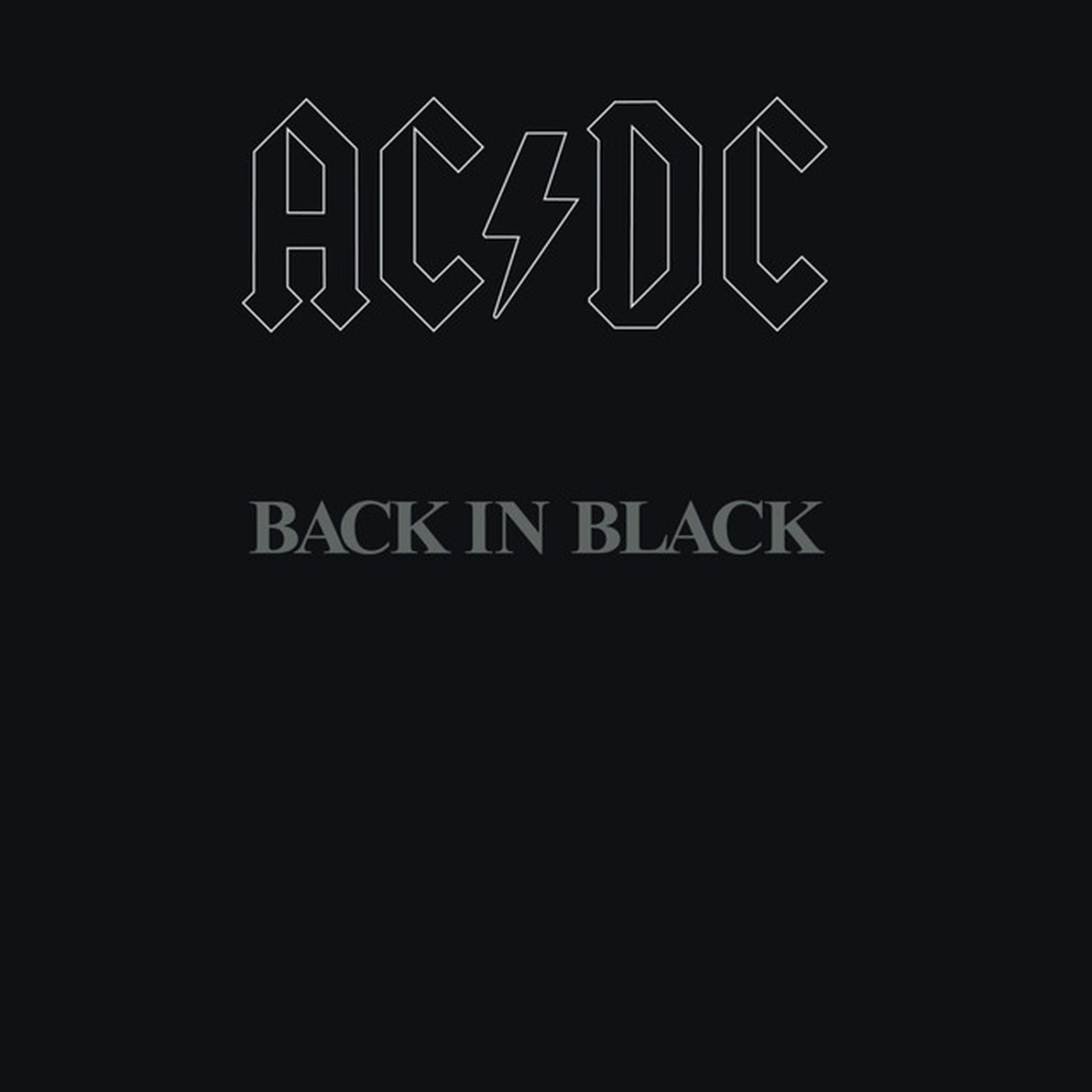
Neil and Chris dive into one of rock’s ultimate “how did they pull this off?” moments, the making of Back In Black in the wake of Bon Scott’s death, and the lightning strike arrival of Brian Johnson. Along the way they celebrate Brian’s unbelievably entertaining storytelling, including the now-legendary phone call that summoned him to London for an audition with “AC Unsedisi”.
This episode is part love letter, part studio-geek rabbit hole, looking at why this record still sounds so immediate 44 years on. From the bone-dry mix and ruthless performance standards to the chaos of recording in the Bahamas with storms, power cuts, and gear that kept breaking, it’s a masterclass in turning limitations into a signature sound.
What You'll Hear:
- How Brian Johnson went from broke (post-Geordie) to Bahamas-bound in weeks
- The album’s stark, dry production, and why it’s used for speaker and car-audio testing
- Studio constraints at Compass Point, no EQ on the desk, and why mic placement mattered more than ever
- Mutt Lange and Tony Platt’s perfectionism, and the pressure of writing lyrics on the spot
- Fan acceptance after a singer change, and why AC/DC kept both “before” and “after” crowds
- Just how enormous this album became, sales, streams, and cultural omnipresence
Featured Tracks & Analysis:
“Hell’s Bells” gets the full treatment, including the story of the custom-cast bell from Loughborough, the problems recording it (birds in the bell tower), and why the album bell is pitched lower than the touring bell. The hosts also dig into the album’s tight arrangement philosophy, riffs first, then instruments “drop in” exactly when their moment arrives.
Guitar talk includes the classic SM57 on cabs approach and the wide stereo field trick, hard-panned guitars with additional stepped-in doubles that keep size without losing clarity.
Tangential Gold:
- A fish tank pickup that becomes the setting for discovering Brian Johnson’s podcast brilliance
- The ongoing “donging vs tolling” bell debate
- Neil’s vinyl indecision spiral, clear vs black pressings, and why he has no tattoos
- “Back In Black” as a late-night morale booster, approved by Neil’s kid
Why This Matters:
Back In Black is not just a blockbuster comeback, it’s a template for timeless hard rock recording: minimal effects, maximum performance, and songwriting that never wastes a second. Neil and Chris show how the album’s technical constraints, relentless standards, and pure riff economy created something that still hits as “now”.
Perfect for: AC/DC fans, recording and production nerds, guitar players chasing that Marshall-and-attitude punch, and anyone who loves the stories behind classic albums.
You can find us here:
- Blog: https://riffology.co
- All Episodes: https://podkit.riffology.co/podcast
- iHeart: https://www.iheart.com/podcast/1323-riffology-iconic-rock-alb-176865775
- Apple: https://podcasts.apple.com/gb/podcast/riffology-iconic-rock-albums-podcast/id1691556696
- Spotify: https://open.spotify.com/show/1LIU9mein7QMw346q20nyy
- X: https://x.com/RiffologyPod
- Bluesky: https://bsky.app/profile/riffology.co
- Facebook: https://www.facebook.com/riffology
- Email: info@riffology.co
Transcript
Show transcriptHide transcript473 passages · 2 speakers
No passages match your search.
Sa. There we go. That's what he does. Is it?
Is that your Brian Johnson?
That's Brian Johnson.
I love the fact that a Jordy is so famous. He's brilliant, Brian. He's just. I don't know, he's one of those people that, you know, sometimes kids idolize people and you're just like, what?
Yeah.
Why?
Yeah, yeah.
What's that all about? Idolize Brian Johnson because he's bloody brilliant.
I tell you what, the first experience I had with Brian Johnson was, was quite recently, like, it's in the personality that is Brian Johnson.
Yeah.
And it was on the. The Rock On Tours podcast.
Oh, yeah, yeah, yeah.
With Gary Kemp and Guy Pratt. It's a brilliant, brilliant podcast.
And it's not as good as us, obviously. They're quite good.
I'll send him. Send him. Let them know they're learning then. It's brilliant. And honestly, I can remember, you know, when you listen to an album and you remember where you are.
Yeah.
What you were doing. Yeah, I remember exactly what I was doing, listening to that podcast with Brian Johnson. Really? I was going to pick up a fish tank. Of course you were who you were. And for the whole thing, I remember driving down country lanes like Postman plate. You know what I mean? Like country lanes. I don't. Somewhere less to Sheerway somewhere. And I just remember giggling all the way at this guy and his ability to tell stories.
He's brilliant. He's just.
Oh, my God, he is. He is one of the most entertaining speakers I think I've ever heard.
He's brilliant. I love. I just love everything about him. He's a big car guy.
Yeah. Yeah.
So I. I've seen him in, like, you know, Festival of Speed and Silverstone. Yeah. You see him.
Nothing about.
But what I love about him, he's. He's. I mean, obviously, you know, incredibly wealthy guy, but you would never know. And you just. I mean, he's just so down to earth, just so chill. Just, you know, whatever.
Yeah.
And then. And the. We're going to play a clip from him in a bit where he talks about that first phone call.
Yeah, yeah.
Where he gets the phone. You know, he's playing in a band called Geordie. Yeah. In. And. And so he's playing this band called Geordie. He is. You did. He's the storytelling, I say. He describes this. This situation where he's poorer after being successful in this band than. Than he was when he started. And he was like, I'm gonna have to get a better job you know, I mean, I'm gonna have to do something. I've got no money. It's just terrible. And then gets this phone call from a German telling him he's got to go to London and sing in a band. And just the way he delivers this story about his introduction to AC dc, you just captivated by him. You can't.
Yeah, yeah. Should we do it? Should we put it on?
Yeah, go and play that bit. It's a bit early, but let's do it.
At the time, I had me on a little business in Newcastle and I played in the band. In a band at Nighttime. I'd already been quite successful with a little ban called Jordy, Would have two or three minor hits. And I was more broke than when I joined, so I had to start earning some money to pay the mortgage. And, you know, I got a phone call one day right out the balloon that said, you are Brian Johnson. This is you. And I went, who are you? What do you want? She said, you must come to London and think this group. And I said, which group? You were invited to an audition. Yeah. She wouldn't tell me. And I said, well, I'm not coming down. And at the end she said something like. She said, you must come. And I said, tell me the name of the band. And she said, no, but I can give you the initials. She says, AC Unsedisi. I said, you mean AC Daisy? And she went, Shai said, I have said too much. So I was going down to get something down there and that's when I went down and met the boys. We had a. Sang two songs or something and then there was some nods and smiles and I guess it was just this wonderful moment when, you know, the stars align or something like that. And two or three weeks later, I was on a plane to the Bahamas. Never been there. Could listen to him all day. Could listen to him speak all day.
I mean, do you know one of the things that's phenomenal about Brian Johnson?
Yeah.
We've not even talked about what we're going to do in the show.
We're good podcasters, mate. We know exactly what we're doing.
What I love about him is his voice. Singing voice.
Yeah. There's nothing at all.
It sounds like some people, they're singing voice and they're talking. I mean, you can hear that. You can hear the. Either the tonality or the. Or the nasality. You can hear the.
You can.
You know what I mean? There's something you can say. Oh, yeah, yeah. You're that person that Sang that song. Brian just doesn't.
Yeah. At all. Yeah.
Yeah. His voice is. I don't know. Otherworldly, really. Should we talk a little bit about the album?
We're going to do it Back In Black. We're already five or six minutes in and talking, and this is the intro.
It is. We are rubbish. So we're going to do back in black, 25 July 1980.
Oh, right. So we're right on the cusp of the anniversary then.
It's amazing how that happens, isn't it?
Yeah.
Can you imagine how that happens? I'm a little bit. I'm a bit of a nerd when it comes to this kind of stuff. Yeah. So the 25th of July 1980. It's 44 years old.
Incredible really, isn't it? Because it. When you listen to this record, when you listen to AC dc, other than perhaps the drum sound, it's very. Now the drum sounds very 70s, but.
Oh, yeah.
Everything else, you know, the guitars, the vocals, the way it's like, the way it's done is really clear, actually. There's a thing about late 70s music, actually.
Yeah.
Where it was all very, like, crystal clear when he used to like Fleetwood Mac, Rumors. When you listen to even Lynard Skinner, you know, and those sorts of things, particularly that kind of American. American channel rock music with that kind of west coast edge that you get clarity and you get like. I. I don't. I don't know. You can listen to, I don't know, Rumors and it could have. That, you know, the songs on there that could have been recorded last week. Do you see what I mean?
And it's super dry. I think it's. It's. It's. It's kind of what they call bone dry, isn't it? The. You know, the way. There's no reverb to almost any of it.
No, just the room. You can hear the room.
Yeah.
It doesn't sound like a particularly good room either.
Terrible, isn't it? Talk about that. So they. They. We're gonna play some clips from the recording of. Of this. But it was recorded in the Bahamas.
Yeah.
And it was. It was like a. It was like a really interesting set of circumstances leading up to the recording of the album. So. So Bon had died, Bond died of alcohol poisoning. Not what it was before they recorded this record.
So they had riffs, they had sort of songs ready. And.
Well, so the rumor mill goes. They didn't anything.
Oh, okay.
They didn't really have anything ready. And they were going to Give in. Right, so Angus Young and Malcolm Young, who started the band, they were just. No, not carrying on. This is. It's too big a deal. You know, it was their mate. They weren't. You know, it kind of knocked them for six a little bit.
Yeah, yeah. And was he Australian as well? Bon Scott?
Yeah, I think, yeah. And. And so they. They were like, you know what? We're not. Not going to do it. We're going to stop. They changed their mind and decided they were going to do it. And they. There were a few vocalists that they were interested in and they. They called Brian and said, you know, come down. They auditioned in.
Their manager did. Or their Germans. Yeah.
And so. So Brian. I love the way Brian. Brian in the Story is like, well, I had to go anyway, so I went down. It's not like. Like ACDC asked me to come and be the singer. Yeah, that's not important. You know, I had to. I had to go and, like, pick up some sandwiches or whatever. But he went down and then, like, two weeks later.
Yeah, yeah.
He's in the Bahamas singing on the record.
Yeah, yeah, yeah, yeah.
And the bit that I think is really phenomenal is that there are no lyrics written at this point.
No.
So the songs. So apparently some of the songs had some structure and they. But they didn't have lyrics. They don't have anything. And he had to. To. To write them and. And to, you know, pull all that stuff together. And he. He says he feels like this massive anxiety at this point, realizing that, you know, I've got a. I've got to write lyrics to ACDC songs. I mean, imagine.
Yeah, the pressure of that. Yeah, it was scary, Dan, and that was beautifully scary. It was because I was 32 years old, I thought, what am I doing here? Listen, they're gonna find out after a couple of days that I'm just not that good. You know, Malcolm came up to us, I think, on the second there, and he said, can you write lyrics? And he said, there you go. And he put it there. And. And I just heard this riff and I just wrote. You know, I was a car fanatic then as well. So the first line I wrote down was, she was a fast machine she kept her motor clean. You know, was the first thing I could come up with. Best D woman I ever. She was a fast machine she kept the water clean she was the fastest damn woman that I ever seen she had the sacred size Telling me no lies Knocking me out with those American thighs Taking more than a share had me fighting for Air. She told me to come but I was all right. Cause the world start shaking the earth was cringing My mind was aching and we were bacon and you shook me all night long. Yeah, you shook me all night long. Walking double time on the seduction she was one of the kinds of just mine oh my wann applause Just another cause Made a meal out of me and come back for more I had to cool me down to take another round Now I'm back in the ring to take another swing that the walls was shaking the earth was quaking My mind was aching and we were baking anew Shook me on now yeah, you shook me Knock me out. Thank you. So we all die out and every single. You should be all night long. Yes you may. You really took me and you should be all night long. You should be all night night alone. Yeah, yeah, you sh. Me all night long. You really got me. You shook me all night long. Yeah, you shook me. Yeah, you shook me. I knew.
Phenomenal. And then, then. And then when they get to the Bahamas, so they're in. In the studio in the Bahamas and the electricity's cutting in and out, there's like horrific thunderstorms.
Yeah.
And, you know, they're just saying. And. And the studio's pretty poor. Right. So they. They. They're running into all kinds of issues. It was Compass Point Studios in Nassau.
And.
Tony Platt is the recording engineer and Mutlang is the producer, and they just can't get a sound. They can't get the right sound. The room's too dead. And so they really, really struggle. The recording desk itself, like the neves of the time. We often talk about the desks and stuff that were used for these things. The desk that was used for this was really, really basic. Like super basic.
Yeah.
And they didn't have any eq, so they couldn't. Like, what would normally happen is you would kind of EQ stuff as it was going in through the desk.
Yeah. Shake the sound a bit and.
Yeah, exactly. And they. They just couldn't do. They couldn't do anything like that. There was. There was no way of. No way of. Of doing that. So it was an MCI IH500, which I think is what Tony Platt trained on.
Yeah, yeah.
But. But they just couldn't do anything there. So they had to do everything with microphone choice and microphone placement. And so you hear them talk about finding spots in the room where things worked and things didn't work. And then it sent me off down a real rabbit hole after. After listening to some of these clips.
Yes.
About how they did it. Like the. So there was like this back here, back in the day. Because Obviously this was 1980, so. Recorded in. Well, kind of written and recorded in the late 70s. But the way you would. If you wanted a brighter tone, you would move the microphone to the middle of the cone.
Yes.
Because there was no. None of this was di. Or it was all from a cab. So. So depending on the microphone you chose and whether whereabouts on the speaker cone you put it.
Yeah.
It was darker or brighter.
Yeah.
So. And I just think that. I mean, how.
Yeah, yeah. So I'm just thinking about some of the software that I'd use now if I'm tracking guitars.
Yeah.
And it's got that exact graphic on it.
Right.
Where you'd have the speaker cone and you'd move your mic in the interface, you know, to sort of do exactly what you've just said.
It's just. It just blew me away a little bit.
Yeah. This.
This kind of skill, if you like existed because the recording environment, if you like just wasn't.
Yeah. It was limited. The limitations. Limitations.
Yeah, exactly. And they. There's a love clip. I don't know whether I think we've got it. We can play it. But there's a lovely clip where they talk about everything breaking constantly. So. So Tony talks about like the. The band would like you. You'd be recording till like midnight or one o' clock in the morning and then the. The engineers would go into the studio at like 8, 8:30 in the morning. The band wouldn't come in until about lunchtime.
Yeah, yeah, yeah.
But that three hours would be for them to. To go back into the recording spaces. They would restring the guitars and stuff and. But a lot of the time was spent mending stuff that had broken overnight.
Yeah, yeah, yeah, yeah.
It's just.
It's crazy.
It is. It's just phenomenal.
Yeah.
What should we play next?
We're gonna play the Hell's Bells.
Oh, can I talk about the bell?
Yeah, let's talk about the bell.
So this. There's some things that I really. And I bet people don't know about the bell. So the most exciting thing is the bell was actually cast in Loughborough, which.
Is about 10 miles from us.
Yeah, it's not far. You could probably hear it if somebody died. What do you. What you do? Dingle bell Dong a bell.
When you dong a bell.
Dong. So if you would dong. Don't you bell. We've had this conversation before and I always get confused about tolling and toll. So the bell. Do you toler bell or does a bell toll?
I think you just dong it and.
Then does if is it tolls or toll.
Yeah.
I don't understand any of that, Nell.
The knelling of the bell. That's the.
I don't know. Yeah, let's go with donging dong.
Yeah, yeah.
So.
So if they don't whom the bell dongs. I think they should rename it.
I'd have a slightly different tone. I think Metallica did that. But yes, I reckon if they donged the bell in Loughborough, we could probably hear it.
Yeah, we are now.
It's not far away. So that was the. That's an interesting thing. The second interesting thing is that they had the bell specifically for the tour. So they knew. They knew they were going to tour. So they. They were going to have this bell. And if you look at any of the live footage from the like 80 late 80 early 81 tour, they have this massive like gold bell that comes down. It says AC DC and Hell's Bell on it. And it gets lowered down by a crane. The thing weighed a ton and it gets lowered.
Back in the days where there was some budget in the music industry, it's.
It's very Spinal Tap.
Yeah. Yeah. I was just thinking about that. Stonehenge.
Very. I think this is almost certainly where they got that idea from. So they. They. They lower the bell down and then. And then you. It's. I'm trying to think who it is that normally does the. The dong. I think it's Brian. That normally goes and gives. It. Gives it a dong. The tone is the. You're gonna. It's the. The octave. I'm gonna. I'm gonna go with octave. And you're gonna scowl at me for using the wrong term. But the octave of the bell that they hit on the live tour is about double the one that you hear on the record.
Yeah.
And the reason apparently, is because they. They designed or they got someone to design the size of bell for the octave they wanted for the song.
Yeah, yeah, yeah.
And then they found out that was just going to be way too big to tour with. So they could have afforded it, could have had it made, but it. It would have just been like way impractical to go and drag this bell around.
The way to think about this, just to just to explain it a little bit is, you know, if you've got like a string family. Like a family of string inst. Yeah. And you've got instruments that effectively look the Same, but are bigger. And you get the same thing with brass. So for the high pitched instruments. Yeah, you've got quite small instruments. So like a violin.
Yeah.
You can hold under your chin.
Yeah.
Whereas as the pitch gets lower, right, you've got like a viola, which is slightly bigger. Cello is bigger again. And then double bass, which is massive.
Right.
And it's about the size of the thing and the way it resonates, which produces these lower frequencies. So that's why they. That's why the bell would have literally had to have been double the size.
Bigger the bell, the lower the dong.
That's what, that's what she said. Yeah, but.
But what I love about it is that they said. But they still had to record it.
Yeah.
So, yeah, they. So Tony Platt went to record it with a mobile recording studio. Yeah, they wanted to, apparently the Rolling Stones. The story's brilliant. So the Rolling Stones had this mobile recording studio which he was supposed to. And they couldn't get that, so they had to get somebody else's. It was in like the. In like the back of a pickup truck or whatever.
Yeah.
Drove to Loughborough to record it.
Yeah.
But when they got there, the bell wasn't ready, so they had to go and record it.
And.
But the. The guys that cast it went, no worries, because actually we've made another one. Exactly. I mean, it doesn't say AC DC on the side of it. Right. But it makes the same sound. It's in this church down the road.
Yeah.
So they get their mobile recording gear and head off to record the thing. Right. So they go up in the bell tower, whack the dong. The bell and it works. Right. But the problem was they. There were birds living in the bell tower.
Right.
So when they doned it, all you could hear was the flapping of birds wings flying away. And then by the time the bell had stopped donging back, they'd come back. So they couldn't. They couldn't get a clean recording of the bell. Like they just tried to do it, donging this bell. Couldn't get it.
I know the frustration. You got one of the biggest records ever. You put together the biggest record, Pigeons. And then.
So they had to go and they had to come back and do it again. Come back and I didn't know any of this. It's brilliant. And then. But the thing I love about it as well is they had to then pitch it down. So we're gonna play. Before we play Hell's Bells, we're gonna play a little clip of the live recording from 81.
Yeah.
Where they were donging the actual bell.
Yeah.
Because obviously they can't pitch. Or at the time, they couldn't have picked. This was all analog. They couldn't have pitched this down live. So that's the real sound of the bell. And then we're going to go into the album version where they artificially lowered it.
I've been rolling thunder, pouring rain? I'm coming on like a hurricane? My lightning's flashing across the sky. You're only young or you gonna die? I won't take no prisoners. Wild man, no l body's putting up a fight. I got my bell, I'm gonna take you to hell. I'm gonna get you sin, get you a Hell's Bill. Your hell spells. You got me Hell spells my trans. I give you black sensations up and down your spine. If you're into evil, you're a friend of mine. See my white lion fashion is a split the night tries here God's out of lamp banners sticking to the rain. I won't take some business words with no laughs Nobody's putting, they never fight. I got my feel. I'm gonna take you to hell. I'm gonna get you sick get ya Hell's pass. I always feel you got that ring of bell. Watch out, Sam. Across the sky, hell, they're taking you down. Bosh, bosh, bosh, bosh, bosh, bosh.
How good is that?
That is. Do you like at the front, where we did, like, it was like the ding of the live and then the dong of the record.
You're really pleased with yourself, aren't you?
Oh, mate, the editing in this episode, I'm so very happy with it.
Is this the one that is going to get submitted for the Grammy or whatever?
Oscar.
Can I. Can I just call out that Brian Johnson when he. Can you do lyrics? Yeah. All right, then this one. I'm rolling thunder, pouring rain? I'm coming on like a hurricane. My lightning's flashing across the sky. You're only young but you're gonna die.
Yeah.
And in the live, if you. If you've never seen AC DC life, just go and look up Hell's bells. But when. When he. When he delivers that second line. You're only young but you're gonna die. Yeah, it's just. I know the hairs stand up on the back of your neck is the way his voice just is.
Oh, and that was. I imagine that was from listening to the Rock on Tours podcast that he did that. I think that is directly referencing, you know, The. The weather at the time.
Yeah, absolutely. That's what he says in the interviews when he was, like, really inspired. He said he couldn't think of anything else, so that's what they talked about. But I mean, just. Oh, yeah, it. It is. Is such an album. It gets used all over the place as well.
It gets standard after standard, isn't it? That's the thing, and we've talked about.
This in the past, but Rolls Royce.
Always using their cars to test it.
They use Track Stuff Back In Black to test it. I think it works. We used to use it a lot when I was doing. When I was at university, I did a bunch of recording studios, like studio monitor design and that kind of stuff. And we used to use this album all the time. And I never really understood why. That's not true. I thought the reason we did it was just because, like, it was a great album and it was well recorded and blah, blah, blah. But actually, I think a lot of it is because it's quite dry. It's got this. It's. It's. It's got a lot of space in. Into it. So you can kind of tell really quickly if it's right or wrong with this album. It's got, you know, if. When it's right and everything's balanced and, you know, you've not got any, like, weird reverbs or room modes or anything.
Yeah, yeah, yeah.
It just sounds phenomenal. It sounds absolutely phenomenal. I wanted to talk a little bit about the funding of it as well.
Yeah, yeah.
Because, like, lots of bands struggle a little bit with, you know, funding for records, but this one, Atlantic just poured money into it, really. I think they were. They were so confident that. Yeah, yeah, yes. So just absolutely poured money into was recorded during April and May of 1980.
It's six weeks, isn't it?
It's mad.
Yeah.
I mean, absolutely mad. We talked a little bit about the desk. So it was an MCI desk that was used to record it. Tape machines were from 3M24 track, but straight to tape and splicing and, you know, 1980. There wasn't digital, didn't exist in 1980. Compressors existed, so they used the Yuri 1176. But they're analog there. You know what I mean? They're preamps, essentially. Vocals. Neumann U87 for Brian's.
It's a pretty standard mic that, you know.
Do you know how much one of those costs now?
Yeah, four grand. Is it? Yeah, yeah, yeah, yeah.
It's mad, isn't it?
Yeah, yeah.
It's just. It's just not. People still. They still go and still sought after.
They're the ones.
Yeah, yeah, sure. SM57 for the guitars. Should we talk a little bit about Angus and Malcolm's guitars?
Yes. Because that. That's the classic Gibson Marshall sound, isn't it?
It is. I. But I like this because you. You had showed me this technique when we would do. I'll come up. We were faffing around with something in here and it's the. That. So one guitarist slams to the left of the stereo field. The other guitar is slammed to the right.
Yeah.
And then they. They recorded again. But the guitars are like stepped in a step from the other side.
Yeah, yeah.
So you end up with this. This of sound.
Yeah.
But it's still quite detailed. It's still. It's still this kind of. There's still the space there, which I think is. Is. Is excellent. The bass. Cliff Williams played the bass. Doesn't get enough credit. I don't know.
No, I mean AC dc. The bass thing is the driving.
It is.
We call it the quaver thing that. You know, the kind of 1 and 2 and 3 and 4. Most songs have that driving sort of thing going on.
But what I love about this album is the way that the sound songs will start and then things just kind of drop in, you know, like the instrument. It's. It will often start with like a riff.
Yeah, yeah, yeah.
And then. And then each instrument comes in at the right time when it's. When it's. It's turned to shine so, so good.
And you can see where other bands like your Black Crows or, you know, they got that from this, that, that. Even if it's not, you know, totally the same as like the hard rock thing, that absolute kind of in the pocket playing where everything. Everything's got its space, everything knows where it is. Everyone knows their role really clearly and they're delivering, you know.
Well, I mean, we have talked about the recording engineer, but we haven't talked about the production.
No.
That was Mutt Lang.
Yeah. Of Brian Adams fame.
Yeah.
That's all like. That's what. You know, that was like his big thing, wasn't it? That was him taking. Taken on. And Shania Twain, early doors. Because they were married. No way. Yeah, yeah, yeah.
I didn't know that.
Yeah.
I'm looking at my. I'm looking at my. My research. Why. Why did that not come up in my research? So. So prior.
Because I've not done much before or much like. Like much of the Same ilk that's still successful.
Yeah. Prior to. Prior to this album, which was 1980. 80. So like we talked about before, 44 years ago, a long time ago, he'd worked with City Boy, Supercharge, the Boomtown Rats and Graham Parker in the Rumor.
Yeah, yeah.
But if I give you the list of, like, his top 10.
Yep.
Back in Black Hysteria from Jack Leopard.
Yeah, yeah, yeah.
Come on over. Shania Twain. Yeah, you told me about that now.
Yeah.
I thought that was a bit weird. Pyromania by Def Leppard, highway to Hell from acdc.
How did that as well, Brian? It's got the same sort of sound, doesn't it?
Yeah, that's true.
Yeah.
Brian Adams, Waking Up.
Massive album, that is.
Brian Adams and De Leopard, I reckon those. Those. Those albums of those. Those times.
Yeah.
They were recorded in the same studio, same producer, same recording engineer. You can swap songs from one to.
The other pretty much.
And, you know, even to the point where they've actually the. Brian and Joe's vocals are really similar. Anyway, Foreign Foreigner did four.
Yeah.
Heartbeat City by the Cars. Billy Ocean, Suddenly he did the Cars.
That's interesting.
Huey Lewis in the News. But anyway, Mutt Lang. The bit I think is interesting is his. His special thing was like, meticulous attention to detail and forcing them to play this stuff over and over until they get the right one, until it was perfect.
Yeah, yeah, yeah.
And then they might. That. Okay, that's the take. We'll go and, you know, we'll kind of. To go and.
Wow.
Go and take it.
But people crumble under that pressure. Oh, easily, people, really, because they get, you know. You know, I can only speak from my own experiences, but three or four takes in.
Yeah.
You start to question your existence.
Yeah. Why did I. Why did I write this so difficult? Why didn't I write it simpler?
What. What happens if they're listening and they're laughing at us in the other room and all that stuff starts to happen, you know?
Yeah, yeah. So. But Tony Platt, who was the recording engineer, he was renowned for exactly the same.
Really.
So. So him and Mutt Lang. So Tony Platt and Mutt's terrible, isn't it? Yeah. Just obsessed over perfectionism.
Yeah, yeah, yeah. But you can hear it, can't you? I mean, in those records you've just discussed there. Yeah, it's huge, you know, Although, say, AC dc, I would say it's probably got more human elements to it, actually. It's rock solid, isn't it? They've got the rock solid takes all the way through.
Absolutely. I mean, if you compare it to something like Hysteria, which will have to do it.
Yeah, yeah.
It's just, we're just gonna have to do. I, I, I went on that tour, the, the Hysteria tour. I saw it when they did it, and I saw the recent anniversary when they played it out in full. And they're a band that they. Joe Elliott talks about the fact that working with Mutlang just made them a worldclass band because they had to be. Yeah. So I'm not sure we were before that, but, you know, having somebody on the other side of the glass just looking disappointed, you know, and he said.
He'S a great storyteller as well.
He is. He's on rock on tours and as he has. Yeah, he came, he spoke to us. Yeah, yeah, he came out. He was lovely. He was. Do you know what, you know what he taught me?
What do you tell.
He taught me that if we were talking before we, before we, like, went on air and started recording, he was in a hotel room and I was saying, tomorrow, you know, are you going to be all right as a stand? Okay? He said, yeah, I've got this covered. And then, and then he pulls back and he shows me, me that he's.
He's under the duvet. Under a duvet.
So he's got his, he's got his laptop under a duvet, and then he's doing the whole thing under there. I've done this, this hundreds of times. This is the way to do it again. Lovely guy, though.
Yeah.
Joe Elliot. But, yeah, it was really interesting him, him saying that, you know, it was working with M that that made them a better band. It wasn't that. It just. He made that album better, that that process made us a better band. And I think the same is true of acdc. I think they came out the back of this experience just a better band, you know, tighter and you're more proficient and all of those, all of those things. But yeah, yeah, but, yeah, Phenomenal story. And nobody expected this album to be what it was.
No. And yeah, I need to play another clip of this interview with Brian Johnson now. Basically on that we had, you know, it seemed like forever. It must have been about a month and a package came and it was, it was back in black, the COVID And I went, wow, look at this. It's. It's black. And. And I was living with my mom and dad at the time, and they didn't have a record player or anything, so I went, oh, my God. So I've friend, one of the boys from the band I was in, Deke Rutham, who was a guitarist, and Jordy too. And I said, jo, can I calm down? I've got this. This new album that we did. It's called, you know, the Bat and Black one. He went, all right. He said, is that nonsense not finished yet? He said, come on, we got to get back together again, cuz, you know, old man. Yeah, my old band. And I felt terrible because, you know, we were very popular in Newcastle. And so I took it down to him and he went, it's a bit of a cheapskate. And he put it on and it was Hell's Bells was the first thing. And he went on and I started singing and he went, no, no, no, no, no. He said, it's too high, man, too high. He said, they've ruined you. He said, here, come on, let's go for a pint. So the dude's got his record and he can't even listen to it. His mate's like, no, not having that. I'm going to the pub. It's so good.
I love the way he said, yeah, it's rubbish. Let's go. Do you know what's reminded me of Joe Elliott talking about similar times when they. When they made it really big in the us?
Yeah, yeah, yeah.
And they had number one. They had number one album and they had. I think it was Animal and number one single. And he said, we toured and we'd done all these things and came back home. Yeah. So we came back home to Sheffield and none of us had got a penny.
Yeah.
We all had to go back to work. So we had to come back. Come back to, you know, to do these. These crappy jobs. People go back to being painters and decorating and back in factories and stuff.
Yeah, yeah. And then.
And then these royalty checks came through. Like the first royalty check came through and it would be like, you know, we got zero. And back in the 80s, you know, a couple of hundred quid would have got you quite a lot.
Yeah.
And these royalty checks are dropping in for like a thousand pounds, even five grand there. And then 40 grand and 50 grand, 100 grand. I said. And that's when, you know that it said it just. Just the impact to us was overnight, you know.
Yeah, yeah.
He said it was that switch of coming back and not having a. You know, we've done this thing and then it's like, oh, no, I've got any money. Yeah. You had to go back to their mum and some dads. Yeah, I do. I do love the fact that. That. That first record came to his mums and dad. What a brilliant story.
Yeah.
But.
But there is one more interview that I want to play. It's just a little bit of Angus talking about the kind of feeling around, you know, how people would take it.
The change of vocalist. Of course. Yeah.
It was a. I kind of go. Go for. Go for. Go for broke, I suppose, because we really didn't know, you know, as would, you know, the people who knew AC DC today accept this, you know, a lot of pressure on him, A lot of, you know, same with the man. But I think everyone wanting to make it all happen. Yeah. Wanting it to be. To be good. So. Yeah. I mean, can you. I mean, it's like putting yourself in that position where they've been there been a band and it's been great and, you know, I mean, really, it was Bon and Malcolm, really, wasn't it?
Yeah, yeah, they were.
Sorry, sorry, Bon and Angus.
Yeah.
With the. With the sort of main. Main personality, the Personas of the band.
Yeah.
And one of those disappears and like, that feeling of like, well, how the.
How.
How. How are all of our fans gonna take this guy? You know?
Yeah. It's interesting, isn't it? Because, like, I Am Maiden did the same thing.
Yeah, yeah, yeah.
So they. They change vocalists, whereas other bands, I think, have changed. Like Metallica changing a bass player.
Yeah, yeah, yeah.
Radically changed them. And half the fans decided they were never, ever going to listen to the music ever again. I think it's phenomenal. I think there's this, a lovely thing when you read online, where fans will often be either before Back in Black.
Yeah.
Or after. But I think one of the things that ACDC did was they kept a vast majority of those fans.
Yeah.
That liked them previously. It wasn't like, oh, one or the other. Yeah.
They were with them. They were with them on the journey.
I think so. Yeah. And I think it was because no one. No one fired Bon. It wasn't like, you know, it was a tragedy similarly to Metallica. It wasn't. This wasn't a decision where, you know, somebody decided they didn't want to do it anymore or the band fell out or whatever, you know, I think. And I think it helps that the acdc, they're just all down to earth.
Yeah.
Do you know what I mean? They're a likable bunch. And I think. And I think that is. That is a big part of this. You know, as we're talking a little bit about how it was received how the album did.
Yeah.
Go down. Right. So for the cons, the concerns about it not. Not being very good x millions of album size. It's so they reckon it sold 50 million copies.
Yeah.
Just let that sink in for a minute.
Yeah.
Stream.
It's a part of people's lives. That's the thing, isn't it? This record is a part of people's lives. It's part of their job journey, it's part of their story and it's music. And I just. I find that that just blows my mind, you know.
It's. Yeah, it's phenomenal. There is this clip, if you look online, there's clips of soldiers in the Iraq war in tanks.
Yeah, yeah.
Retro. Retrofitting speakers.
Yeah.
So they could play Back in Black as they were like, like you know, slamming around the desert in their stuff. And it's also used by Rolls Royce engineers.
Yeah.
Do you know what I mean? It's got this immense appeal. 1.2 billion streams.
Yeah, yeah. That's about fiverr.
It is, yeah. You can. You could afford a nice Starbucks coffee. But let's look at it compared to some of the others. Right, so highway to Hell, 1979. That was the first ACDC album I heard. And I love. I think highway to Hell is just. It's phenomenal.
Yeah, yeah, yeah.
Such a good record sold. 10 million and 500 million streams. The Razor's Edge, 1990.
Yep.
5 million and 200 million streams. Let's compare that to some others. So Pink Floyd's the wall.
Yeah.
30 million.
Yeah. So it's.
It's nearly double that Is Queen the Game.
Yeah.
Four million.
Not. Wow.
Well, Journey's Escape was nine million.
Yeah. But it's the international, it's the global.
It is the global.
That's the difference with this.
It's just this enormous appeal of Back in Black. I think the production is exquisite. It's a rock and roll album.
Yeah.
But it's kind of very bluesy. It's very. I don't know, there's just something. There's no rough edges to it. It's kind of. I don't know, it's kind of a simple. It's almost sleazy in places.
But yes.
I don't know, it's just this kind of brilliant. Like we call it a pop rock record.
Yeah, yeah.
It's incredibly. Commercially, you know, it's radio friendly songs. Yeah.
And you know, there's so much music around at the minute and it might be me getting older, but I'm really struggling to find the songs. There's brilliant riffs, brilliant production, brilliant, brilliant moments in music. But there's a thing about songcraft, to me, that kind of is missing. You don't hear it very often and, you know, there's something about the simplicity of a good song like acdc.
Simple, isn't it? It's not, it's not over complicated. Yes. It's looking at the influences that ACDC talk about. It's Chuck Berry.
Yeah.
Little Richard. The Rolling Stone. Jones. Led Zeppelin.
Yeah.
And Free.
And it is, it's almost a perfect amalgamation of that, of that sound.
If you were making a cake and you put that in there, you know, it's gonna, you just, it's just gonna be nice, isn't it? Bands that quoted ACDC has been an impact on them, like a significant impact on them. Guns N Roses. Metallica.
Yeah.
Foo Fighters.
Yeah.
And Airborne.
Airborne.
Now Airborne sound just like. Yeah.
Oh, they're Australian as well.
Yeah. I went, I know not all of.
Acds are Australian, but you know what I mean? Yeah.
I, I, I think they, I think they just are a band that sounds like acd, so I don't think they set out to copy ac, but my God, they're brilliant. Yeah, they are. So it's the same kind of energy and, and, and, yeah, it's absolutely brilliant. Shall I do five things. I'm looking at our blog because we did a blog on this. Shall I do five things you might not know about? And then we'll, we'll play. What should we play? What should we finish?
We'll do, we'll do Shoot to Kill. Yeah, yeah, we'll go out with that.
So the album Back, so Back in Black, Yeah, was a metaphor for resilience. So it's kind of them bouncing back. A direct nod to the band's return to the limelight after the untimely death of their previous singer, Bon Scott.
Yes.
And the black cover was a tribute.
Yes.
To his death.
Yeah, yeah, yeah.
The iconic riff for Back in Black was conceived by guitarist Malcolm Young while sitting in the control room during an early morning recording session, strumming on a borrowed film. Fender.
Yes.
Sources say it took less than 15 minutes.
Yeah, yeah.
Producer M. Lang pushed for perfection. Legend has it that he once had lead singer Brian Johnson perform. You shook me all night long Upwards of a dozen times to get just the right feel. And I can imagine. Brian. Yeah, all right. Yeah, yeah, yeah. Okay. Is that not good enough? I'll do it again.
Yeah, yeah, yeah.
Phil Rudd played the Drum. Drums. With an interesting bit of kit. His drumsticks were unusual, a type called SD10 swingers made of Japanese oak. Heavier sticks contributed to his powerful playing style, fitting the album's hard hitting sound. And we've already talked about this, but the bell heard at the beginning of Hell's Bells wasn't a sound effect. A 2000 pound custom made bronze bell was cast by the Loughborough Bell Foundry specifically for ACD dc. And it reckon that still exists.
The Loughra Bell Foundry.
I don't know. But the bell.
Got to look for it. We gotta go, we gotta, gotta road trip it. Come on.
Yeah, let's go find it.
10 minutes down the road.
That bell, that bell's got to exist. You can't.
Yeah, you can't, you can't. You can't hide that.
You can't like wish a bell out of. Of existence.
Loughborough Bell F. We've got to, we got to go and find that. We got to go and talk to him.
It's pretty epic.
Yeah.
The thing, a new thing I wanted to talk about as well is albums and their appearance in media. So obviously Back in Black has been everywhere but Iron Man.
Yes.
So it was in there and Tony Stark and Back in Blacks blaring in the background as he's talking. That is just excellent. It's in School of Rock, of course.
Yeah.
Which is. Which is phenomenal. It was in a TV series. Supernatural.
Ah, right. Yeah, yeah.
And Top Gear. So Top Gear. So Jeremy Clarkson and Brian Johnson are pretty good mates.
Oh, cool. Yeah.
They used Back in Black quite a lot for that.
That.
There's been in some ads too, which is really interesting. So the 2019 Apple iPhone ad. So the iPhone XR had back in Black through the advertisement. And the Chevy Silver. Chevy Silverado. I don't know what that is. It sounds rubbish. It's been in the Rock Band and Guitar Hero, of course.
Yeah.
Which is.
Well, I think that that was a big resurgence of AC DC fans. Fans as a result of that game.
Yeah. But it makes you want to play the guitar. Yeah, yeah, it makes me want to play the guitar. It makes me want to go. Because I think I could do that. Yeah.
Yeah, yeah. And I used to teach guitar.
Yeah.
Before I was a teacher in a classroom.
Yeah. Yeah.
And I used to go and teach kids, you know, like around the area, some of them loads better than me. I'm like, I don't know why I'm teaching you this. And I, I used to. And they all wanted to learn acds. There's a period of time where they all wanted to learn acds. I'm like, it's really hard. I come to. I show the core chords.
Yeah. Really? Yeah, yeah.
Okay. But you'll have to get the tab for the. Like me breaks. It's way beyond me. Well, Dan Baker could do it. I can't.
He's not real. Dan Baker's not real. Until he. Till he comes on the show and talks about something, it's not real. And that is about it. I think for this one, it's brilliant. This is one I've been really excited about doing.
You even got the special edition yellow vinyl, whatever it is.
I did that. Well, it's AC DC's 50th anniversary and they reissued a bunch of vinyl. One of them was Back in Black. They did Back in Black on this lovely yellow vinyl and it's just gorgeous. Yeah, it's a nice thing and it plays really well and it's just. I don't know, it's just such a lovely. Sometimes this week I've had. It's been a challenging week and I had. I've had to work late, like I know, you know, past midnight, you know, three or four nights. And you buy my little binary. Could see I was struggling a little bit. And he comes and puts this on. He knows that this is one that I style is. It's that kind of power up put.
On as a power.
It is. It kind of picks you up, doesn't it?
Yeah, yeah, yeah.
Do you know what I mean? You can't listen to ACDC and be a bit sad.
Yeah, no, absolutely.
You know.
Yeah.
I don't know what we'll do next. I kind of want. I'm really keen to do something like Praggy.
Yeah. We haven't done a big proggy one yet, have we? We should really.
Bit of Pink Floyd.
Yeah, A bit of something like that.
Be a bit mega that, wouldn't it?
Yeah, yeah.
And I like that. And I've got. I've got Pulse on vinyl.
Have you got Pulse?
Which you're like, I want, want. I want. This is. This is gonna. This is gonna explain for those of you that are long standing listeners that this will be no surprise. Right. But my indecisiveness is the reason why I don't have any tattoos.
Yes.
Because I can't. I change my mind so frequently on stuff. And I want to buy Dark side of the Moon. I want to buy the Dark side of the Moon record and they do two versions of it.
Yeah.
Do a clear Clear. Crystal clear vinyl.
Yes, of it.
And they do a black.
Wow.
And people say that the. The black. The standard black sounds better.
Yes.
But the crystal clear looks nicer.
Yeah, yeah, yeah, yeah, yeah.
And I can't decide which one to buy, so I bought neither.
Or both. Then you've got a washing away, aren't you?
Yeah, I died.
Or a watch and a listen.
Just stroking one of them. Licking one of them. Shall we end and. Yeah, let's get out of here.
Let's go. Rock and roll.
Thank you. Oh, oh, actually, before we go, can I remind everybody. Sorry, this is. We're awful at podcasting, so can I remind you that we're on X.
Yes.
Monster Shop Rock. So you find us on there. Search for Monster Shop.
We have a good.
We're having a good laugh on there.
Yeah, it's loads of stuff coming out.
It is brilliant. We do albums that were released today. As we're recording this today. Guess. Guess what was released today.
Was it the Pumpkins one? So that was yesterday.
Pumpkins was yesterday. Sorry, I'm. I'm just. As we're talking about this, I'm just gonna go and check that I've got it right. But as of today, I think it was Hysteria from Def Leppard.
Oh, really?
Yeah, it was. I'm gonna look at our post because I did wrote it, so I'm just. I'm just scrolling, scrolling. Yeah. So 37 years ago.
Yeah.
3Rd of August, 1987. Guided by voices.
Yeah.
Do the Collapse. Yeah. Which is a really interesting record from Radical Change In Tone. They went all kind of polished and stuff. So we do loads of posts like that about kind of albums that were released on. On that particular day in history.
For nostalgia. It's perfect. I mean. Yeah, nostalgia for memories. For telling the story of rock music through time that. I mean, there's nothing better than our Twitter feed.
It is brilliant with. There's a blog, monster. Monstershop.uk where every show that we do, there's a cop. There's a matching blog. So there's a blog for this. There's a blog for Back in Black, where all of the nonsense we've talked about is all there. And. Yeah. And obviously there's this, which you're listening to. So if you are listening to us right now and. And you've not been thoroughly disappointed with.
These, tell them we would love you.
To give us a review. Give us. Give us. Give us a nice review. Five stars. All of those things.
Any less than five stars? Bother. Not interested.
Four and a half don't bother. So, yeah, that would be lovely. Really supports the show and. Yeah, just helps. Helps us progress and. And do more of these. So that would be awesome. And we'll be back next week.
See you later.
Cheers.
All you women who want a man on the street? Don't know which way you want to turn? Just keep it coming and put your head up to me. Cause I'm the one who's gonna make you burn? I'm gonna take it down, down, down? So don't you fool around? I'm gonna hold in mother super frill way to kill too many women with too many pills. Damn. Shoot for real why? To kill I got my gun in the? I get under your skin Just like a bomb that's ready to blow. Cause I'm illegal, I got everything that all you women might need to know. I'm gonna take it down. Yeah, down, down, down. So don't you fool around. I'm gonna pull in, pull in, pull a big eye Shoot the real play a kill too many women with too many pills and shoot them real play to kill I got the gun and be ready by tomorrow winners I shoot to thrill and I'm ready to kill. I can't and now I'm, I can't get. Sail, shoot the grill fight and kill? I got my gun and the rainy on a firing wheel? Cause I shoot up through and I'm ready to kill? And I can get enough and I can get my thrill. Again. Yeah, Shoot you, I'm gonna shoot you. Ooh, yeah, yeah, yeah. I'm gonna shoot you down. Yeah, yeah, I wanna catch you down, down, down, down, down. Shoot down, Shoot you down. Shoot me down, Shoot you down. Shoot me down. Shoot down, Shoot me down. Jam Sam.